

Speakers
Quantum Latino 2026
Day 1: Quantum Research

Francisco Albarrán-Arriagada
Associate Professor – University of Santiago of Chile, Santiago
Francisco Albarrán Arriagada is a Chilean physicist who has dedicated himself to research in quantum computing. He obtained his Doctorate in Science with a specialization in Physics at the University of Santiago of Chile (USACH), under the guidance of Dr. Juan Carlos Retamal, in 2018.
After a fruitful postdoctoral period at the QuArtist Center of Shanghai University together with Dr. Enrique Solano, he joined the USACH Department of Physics in January 2021 as an Assistant Professor, where he leads research that encompasses quantum simulation, algorithms for NISQ devices, quantum memristors, and quantum control, being one of the world pioneers in digitized-counterdiabatic quantum computing (DCQC).
He has been awarded various national scientific projects and is the founder and organizer of QuSantiago, a free annual school that connects international experts with new generations of scientists in the region.
In 2024, he joined the Advisory Commission on Quantum Technologies of the Ministry of Science of Chile, contributing to the definition of public policies in the area.
In 2025, he was recognized among UNESCO’s “Quantum 100,” within the framework of the International Year of Quantum Science and Technology. He has more than 35 publications in indexed journals.
TALK:
Controlling Time: How Physics Can Speed Up Quantum ComputingQuantum control provides powerful tools to accelerate and stabilize the evolution of quantum systems, a key requirement in the NISQ era.
In this talk, we will explore how adiabatic acceleration techniques, particularly counterdiabatic protocols and time rescaling techniques, enable the design of digitized evolutions that reproduce ideal adiabatic behavior in much shorter times, reducing exposure to noise and decoherence.
We will discuss how these control techniques act as a practical tool for adjusting the speed of these protocols according to real hardware constraints, and how combining them with digitization strategies opens the door to more robust and efficient quantum optimization algorithms.
Through concrete examples, including combinatorial optimization problems such as MaxCut, we will show the potential and challenges of bringing these ideas from theory to current quantum devices.
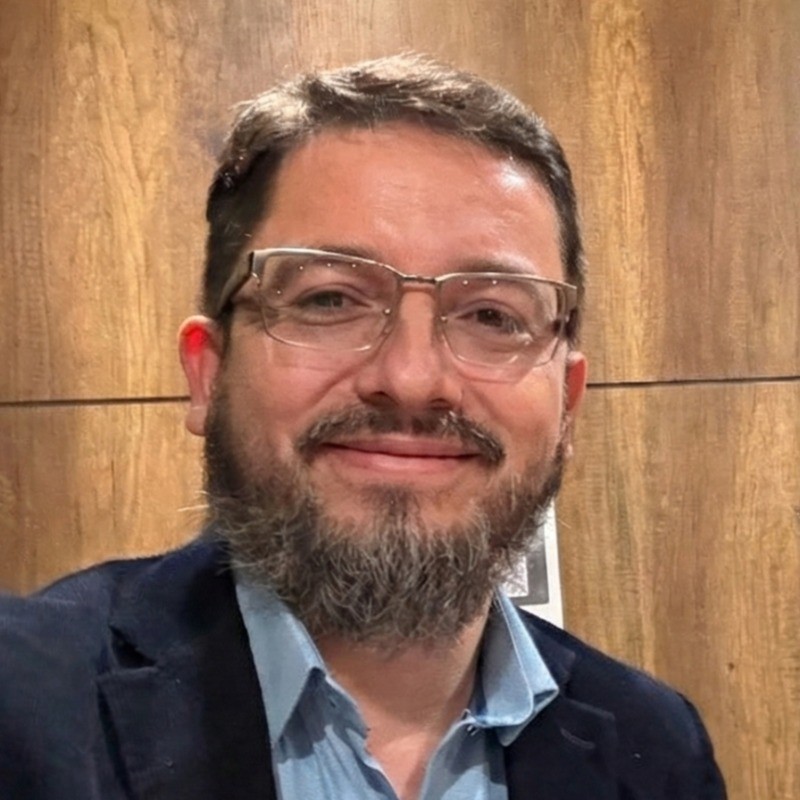
Esteban Hernández
Quantum Lead- CyberColombia / Colombia Quantum Alliance, Bogotá, Colombia
Dr. Esteban Hernández is a Computer Engineer holding a Ph.D. in High-Performance Computing (HPC) alongside postgraduate specializations in Applied Mathematics and Network Software. Over a 23-year career spanning AWS, Mercado Libre, and deep-tech startups, his research and technical expertise have focused on Artificial Intelligence, Computer Vision, and advanced Numerical Simulation. A dedicated scientific leader and educator, he served as the 2025 Executive Director of SCALAC, founded CyberColombia to advance regional computing frameworks, and has co-organized HPC Summer Schools for nine years to train the next generation of researchers in HPC, AI, and Quantum Computing. Currently, he directs the Colombian Quantum Alliance, spearheading a ten-year research roadmap for quantum software and hardware architectures. Furthermore, he is the co-author of “Parallel Heterogeneous Computing for Accelerating Weather Forecasting” and actively advises scientific organizations on optimizing Numerical Weather Prediction (NWP) models in high-performance environments.
TALK:
The Colombian Quantum Alliance: A Strategic Roadmap for National Quantum Capacity (2026–2036)As quantum computing transitions from theoretical research to practical industrial application, emerging technological ecosystems require strategic frameworks to accelerate adoption. This presentation introduces the Colombian Quantum Alliance (CQA) and its comprehensive ten-year roadmap designed to establish robust national quantum capabilities. Central to this initiative is an asset-light, software-driven enablement strategy that bypasses immediate hardware dependencies in favor of cloud-based simulators and processors.
The discussion will detail the CQA’s core pillars: specialized capacity building, strategic international partnerships, and the alignment of quantum algorithm development with high-performance computing infrastructure. By examining concrete industrial use cases—such as complex logistics optimization—the presentation will demonstrate how emerging ecosystems can leverage current quantum frameworks to generate tangible value. Ultimately, this talk outlines a scalable model for fostering cross-sector collaboration between academia and industry, positioning Colombia as a competitive and capable participant in the global quantum landscape.

Liliana Gutierrez Rancruel
Docente y Miembro del Comité Profesional, Cátedra Matilda Mujeres en Ingeniería, Universidad Javeriana Cali – Cali, Colombia
PhD Candidate in Technology Management and Innovation, Master in Educational Computing and Systems and Telecommunications Engineer. Strategist in Technology Management, Quantum Computing, Quantum and Post-Quantum Cryptography, transition frameworks towards post-quantum cryptography (NIST), cybersecurity, computer networks and educational innovation. University teacher, researcher and instructor at the Cisco Networking Academy, with extensive experience in talent training, curricular design, academic accreditation, project formulation and development of innovation ecosystems.
International and national speaker, organizer of summits, conferences and high-impact academic spaces that integrate quantum computing, artificial intelligence, blockchain, cybersecurity and education, promoting the articulation between academia, business, government and society. Author of scientific publications and the IPv6 book. A reality, with a track record in applied research and dissemination of knowledge.
Using a disruptive approach to transform the way we interact with technology through innovations such as his «Blazer Quantum», a Tech-Couture piece that fuses fashion with interactive codes to connect in real time with his audiences.
With experience and knowledge in Accreditation and Quality Assurance for Engineering Programs, as well as Formulation, Design, Implementation of Educational Plans and Information and Communication Technologies applied in the Educational Sector, Sixteen years as a University Professor and 3 years as Coordinator of the Computer Engineering Program of the Military Aviation School.
Its mission is to lead and promote interest, appropriation and capacity development in Quantum Computing, Quantum Cryptography and Post-Quantum Cryptography in Latin America and the Caribbean, strengthening national and international ecosystems of innovation, research and specialized training. She is an active member of the Matilda Women in Engineering Latin American and Caribbean Open Chair, where she promotes female leadership, international cooperation and technological transformation with social impact.
TALK:
Female Strategic Leadership in the Quantum Age
and PQC MigrationFemale leadership in the transition to quantum computing and post-quantum cryptography (PQC) is a strategic and technical imperative. Beyond demographic parity, the inclusion of women in senior management, research and standardization provides quantifiable metrics of success in the resilience of infrastructure, the adoption of regulations and the evolution of pedagogical engineering. The transition to post-quantum cryptography (PQC) has ceased to be a theoretical problem and has become a mandate for global compliance and technological sovereignty. Female leadership in this area is not limited to gender equality; represents a competitive advantage in governance, pedagogy and systemic risk management. The global transformation towards Quantum-Safe infrastructure depends on rigorous mathematical standards and early corporate adoption. Reports from Cybersecurity Ventures (2023) and the World Economic Forum (WEF) indicate that, although women represent approximately 25% of the cybersecurity workforce, their impact on the cryptographic research and standards definition layer is foundational. Research from McKinsey & Company (2023, The impact of women in tech) shows that engineering teams with female leadership reduce margins of error in codebase auditing and accelerate the implementation of crypto agility schemes due to more comprehensive approaches to risk management (V&V).
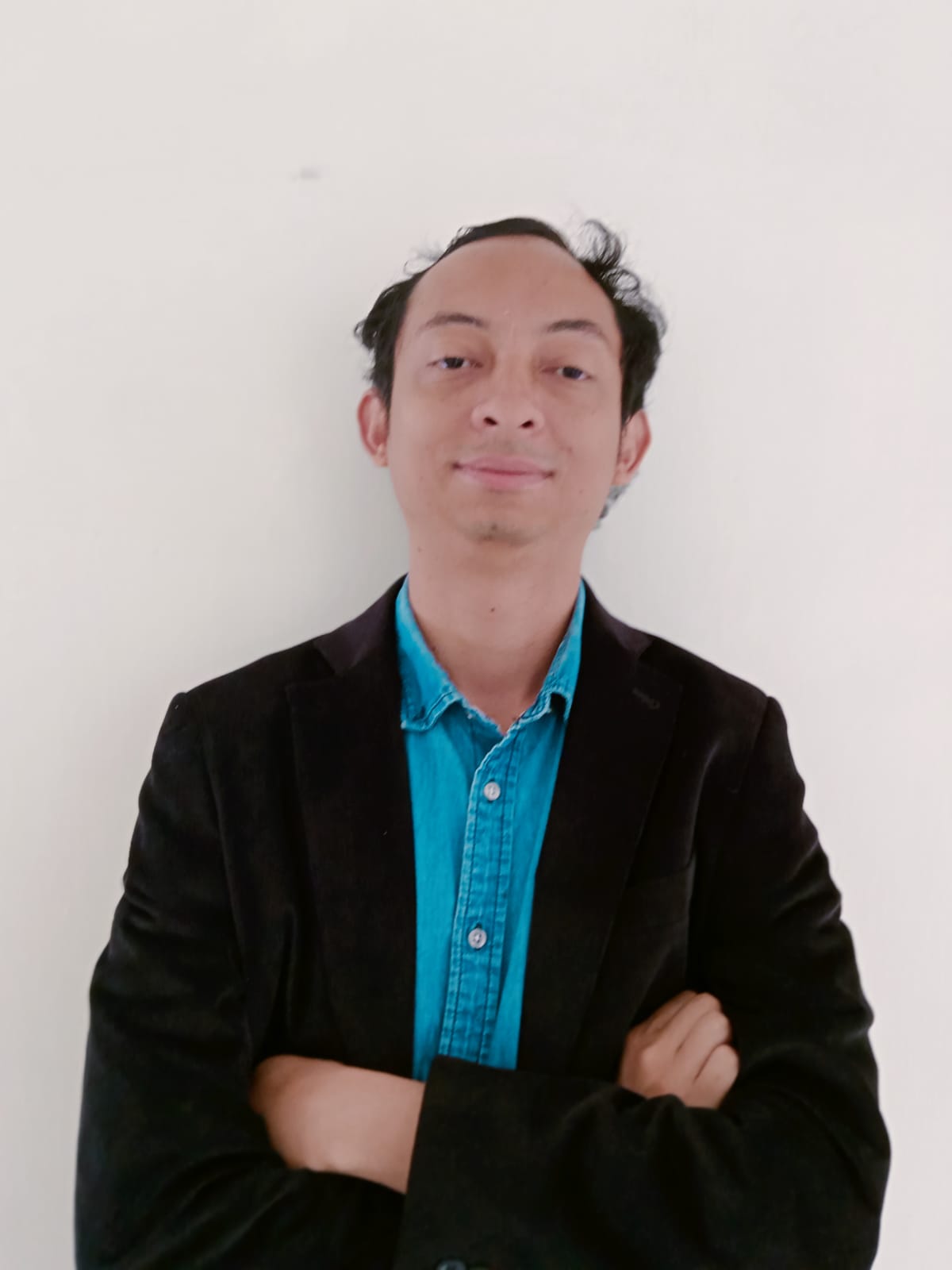
Juan Diego Acevedo Palacio
Physics Professor, STEAM School – Universidad EIA
Juan Diego Acevedo Palacio holds a Master’s degree in Physics from the Federal University of ABC (UFABC), Brazil. With more than nine years of experience in higher education, he has taught and conducted research in physics, with a particular focus on quantum mechanics and its technological applications. He is currently a professor and researcher in the field of quantum technologies.
TALK:
Quantum Memories: The Storage of Quantum InformationQuantum memories are an essential component in the advancement of quantum information technologies, serving as the core of quantum repeaters and enabling synchronisation in long-distance networks. This talk presents a critical analysis of the state of the art in storage mechanisms and the physics of the light–matter interface. It examines the current gap between atomic platforms, which offer the longest storage times, and the pressing need for scalability and photonic integration. In this context, solid-state heterostructures are discussed as the most promising technological pathway, with strong interactions with the environment identified as their main physical challenge. Finally, a methodological roadmap based on the theory of open quantum systems is presented. The principles for the theoretical modelling of dissipation in these media are outlined, establishing the framework required for the design and implementation of future numerical simulations aimed at mitigating dissipation and extending coherence times.
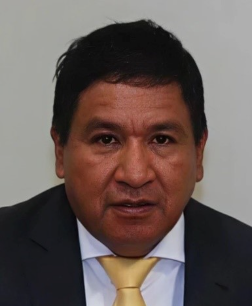
Ruben Pillaca
CEO – TechEra
Rubén Pillaca is the CEO of TechEra and QuaiBot. He also serves as Director of APCSIS, President of AproTIC, and President of ChimboTech.
A Systems Engineer by training, Rubén is an international technology speaker, author of several technology books, and an Enterprise Application Design Architect. He specialises in User Experience (UX/UI), quantum computing, and software development, with extensive experience as a Senior Technology Instructor and Senior Software Developer.
Throughout his career, he has promoted technological innovation, digital transformation, and emerging technologies, helping organisations adopt cutting-edge solutions and preparing professionals for the future of computing.
TALK:
The Impact of Quantum Computing on Innovative BusinessesQuantum computing represents a new technological frontier with the potential to transform medicine, finance, logistics, cybersecurity, artificial intelligence, and industry. This presentation explores the fundamentals of quantum computing, its business applications, innovation opportunities, and the key challenges associated with its adoption.
The talk also examines the impact of Q-Day, the transition to post-quantum cryptography, and the evolution of a global ecosystem that will integrate classical computing, cloud technologies, artificial intelligence, and quantum computing to solve complex problems and create new, high-value business models.

Wendy Plata
CEO – SILVER QUALITY CONSULTING
Wendy Plata is a Computer Engineer with a Master’s degree in Productivity and Quality Management from ESPOL. With more than 20 years of experience, she has built a career integrating technology, statistics, project management, quality, education, and organisational innovation. She is the Founder and CEO of Silver Quality Consulting, where she leads projects in process transformation, data analytics, artificial intelligence, organisational well-being, and applied quantum computing.
She is a certified Project Management Professional (PMP) by the Project Management Institute and has extensive expertise in strategic planning, quality management systems, performance indicators, information systems design, and statistical analysis. Throughout her career, she has worked as a university lecturer, researcher, and continuing education instructor, while also contributing to international training and professional assessment programmes across Latin America and Europe.
Wendy is the Ecuador representative of the Emotional Paycheck Institute of Canada, where she promotes Emotional Intelligence and Emotional Salary strategies to strengthen leadership, employee engagement, and organisational well-being.
Her work brings together quantum computing, artificial intelligence, innovation, and human-centred leadership to foster more productive, resilient, and sustainable organisations. She is also the founder of the Silver Quality Consulting Quantum Days, an international outreach initiative that connects experts and promotes quantum technologies within the Spanish-speaking community and the business sector.
TALK:
From Technological Innovation to Human-Centred Leadership: Quantum Computing, AI, and Emotional Salary for Organisational TransformationOrganisational transformation no longer depends solely on adopting new technologies; it requires integrating innovation and a human-centred approach within a single strategy. This talk explores how quantum computing and artificial intelligence are expanding our ability to analyse data, optimise processes, solve complex problems, and accelerate decision-making. Through practical examples and real-world applications, it examines their potential impact on businesses and the evolution of leadership.
At the same time, the presentation highlights why technological progress must be accompanied by the development of uniquely human capabilities, including emotional intelligence, empathy, adaptability, and the ability to create meaningful workplace experiences. In this context, the concept of Emotional Salary is presented as a strategic tool for strengthening employee engagement, well-being, and organisational sustainability.
The talk invites participants to reflect on a new model of leadership that combines advanced technologies, innovation, and human values to build purpose-driven organisations equipped for the future.
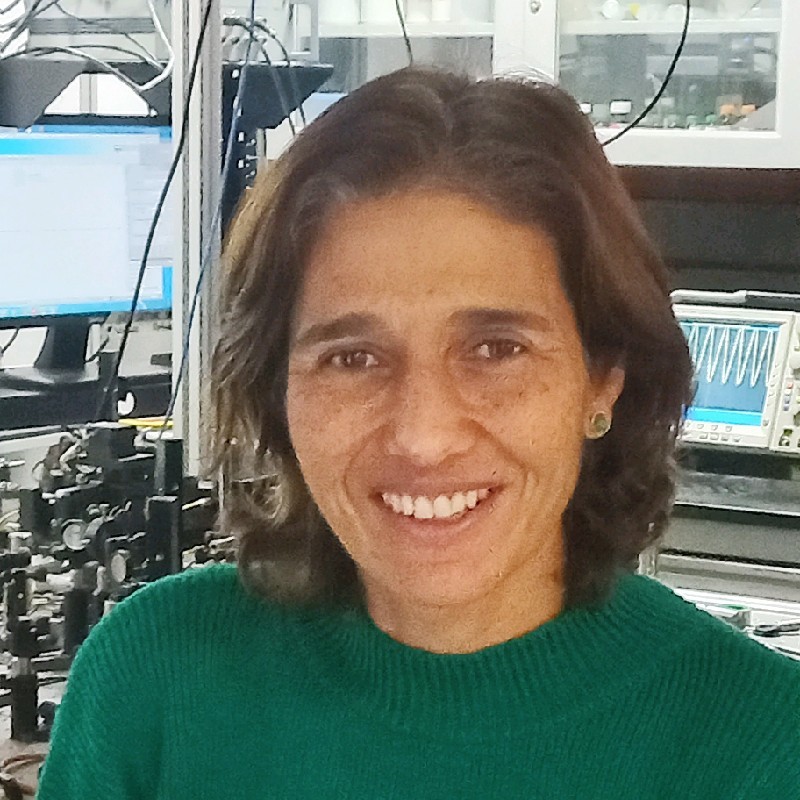
Alejandra Valencia
Associate Professor – Universidad de Los Andes, Physics Department, Colombia
Since August 2012, Alejandra Valencia has been an assistant professor in the Physics Department at the University of the Andes, where she is part of the experimental quantum optics group. A. Valencia completed her undergraduate studies in physics at this university and subsequently, in 2002, received her Master of Science degree, and in 2005, her PhD in applied physics, both from the University of Maryland in the USA. From 2006, A. Valencia conducted postdoctoral research in Spain and Italy, focusing primarily on the design of entangled photon-pair sources. From 2010 to 2012, Alejandra actively participated in activities to bring photonics, the sciences of light, to diverse non-specialized audiences. Currently, her research interests include the generation, characterization, and use of various light sources at the quantum level.
TALK:
Quantum Optics at Universidad de los Andes: Developing a Skilled Quantum Workforce and Experimental Research in ColombiaAs quantum technologies approach widespread adoption in Latin America, Colombia must develop the technical expertise needed to understand and lead their implementation. At the Quantum Optics Laboratory of Universidad de los Andes, this challenge is addressed through experimental research on the control of single and entangled photons.
This talk presents the laboratory’s latest advances in the simulation of open quantum systems, weak measurements, phase-space characterisation, spatially resolved interferometry, and quantum key distribution (QKD). Through these cutting-edge experimental projects, the laboratory not only advances high-impact scientific research but also contributes to the development of a highly skilled quantum workforce in Colombia and across Latin America.
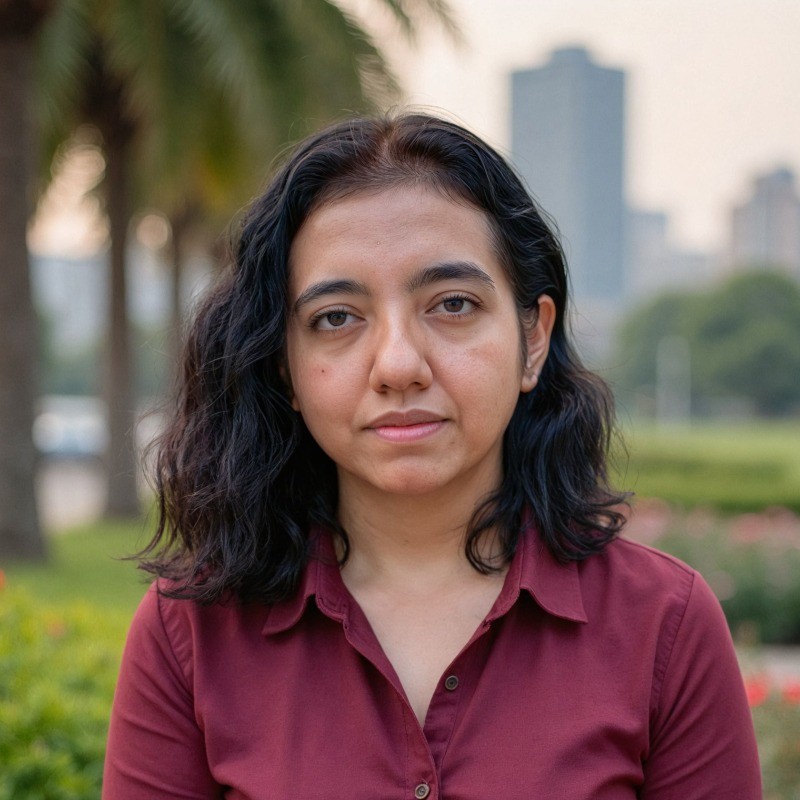
Claudia Zendeja-Morales
University of Copenhagen, Department of Mathematical Sciences, Centre for the Mathematics of Quantum Theory (QMATH) – Copenhagen, Denmark
Claudia Zendejas-Morales es física e ingeniera en computación. Su trabajo y participación comunitaria han sido reconocidos internacionalmente al ser seleccionada en el Quantum 100 del International Year of Quantum Science and Technology (IYQ 2025), liderado por la UNESCO. Ha cursado dos MicroMasters en Tecnologías Cuánticas por Purdue University y es desarrolladora certificada de Qiskit y Qiskit Advocate. Participa activamente en QWorld, donde ha colaborado como instructora y asistente de docencia, desarrolló el módulo de QML para los QCourses, es co-coordinadora del área de QEducation y miembro de QWorld Association. Actualmente es estudiante de doctorado en Quantum Information Science en la Universidad de Copenhague. Sus intereses se centran en información cuántica teórica, machine learning cuántico, fundamentos matemáticos de la computación cuántica y juegos no locales cuánticos.
TALK:
Community organizations in quantum technologiesQuantum computing communities are often associated with outreach and education, but they can also become spaces for developing technical projects, gaining research experience, and building collaborations. This talk presents examples from communities like QWorld, QuantumQuipu, and the Qiskit Advocates network: from coordinating and adapting materials on algorithms and quantum machine learning to mentoring projects, creating tutorials, and studying strategies to mitigate exponential concentration in quantum kernels. Experiences in hackathons will also be discussed, where distributed teams transformed ideas into prototypes of games, hybrid models, and quantum software. Based on these cases, the discussion will explore how community work allows for delving deeper into specialized content, assuming technical and scientific responsibilities, and developing communication, leadership, and collaboration skills. These experiences can complement academic training and pave the way for postgraduate studies and research.
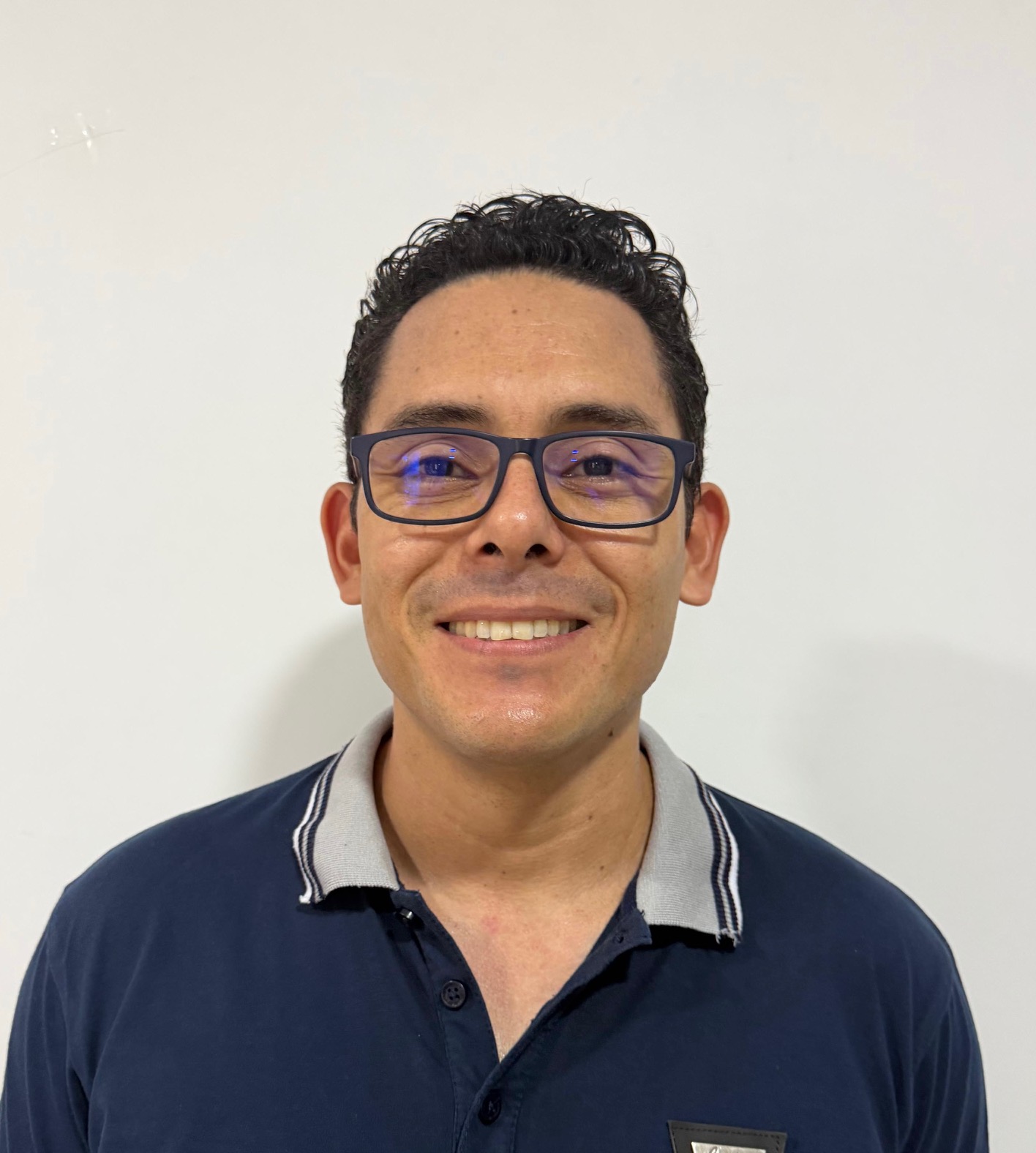
Cristian E. Susa Quintero
Full Professor – Department of Physics and Electronics, University of Córdoba, Montería, Colombia.
Cristian Edwin Susa Quintero is a Physicist and holds a PhD in Physics (2016, University of Valle, Colombia), specializing in quantum correlations and open quantum systems. He currently teaches Physics at the University of Córdoba (Montería, Colombia), where he leads the Theoretical and Applied Physics Group and advises undergraduate and graduate students in physics, contributing to the academic and scientific development of the region and the country.
His research focuses on quantum information theory, with lines of work in quantum correlations, entanglement theory, and quantum optics. In recent years, he has expanded his research to include quantum control, physics-informed neural networks (PINNs), and other machine learning schemes, exploring their application to problems in quantum physics.
He has published over 20 articles in specialized international journals and has participated in numerous international conferences, several of them as an invited speaker, sharing his research results with the global scientific community.
TALK:
Physically Informed Neural Networks Applied to the Optimal Control of Quantum GatesIn this talk, we present a framework based on physically informed neural networks (PINNs) that predicts control functions for implementing one- and two-qubit quantum gates. Our approach incorporates the Schrödinger equation and the Lindblad master equation directly into the training loss function, along with terms that guarantee gate fidelity through the target task and constraints on the density matrix, thus extending the method recently introduced by Norambuena et al. [1] for state-transfer control. For the single-qubit Hadamard gate, the trained network achieves an average fidelity of 99.99998% (tested on a sample of 1000 random initial states). Extending the scheme to the two-qubit CX controlled negation gate, we performed an analysis by coupling type (σx⊗σx, σy⊗σy, and σz⊗σz interactions), obtaining average infidelities (1 – fidelity) on the order of 10⁻⁶ for transverse and longitudinal couplings, and 10⁻⁴ for σy⊗σy, showing that the gate’s performance depends on the coupling structure between qubits.
We conclude by briefly describing other related lines of research that we are currently developing: hybrid classical-quantum PINNs to solve the one-dimensional Schrödinger equation, symbolic regression for the discovery of effective theories, and reinforcement learning for the optimization of molecular control.

Karen Tovar Parra
Engineer. Researcher. Global Speaker – University of Costa Rica, San José, Costa Rica
Quantum Computing Researcher at the University of Costa Rica and AI Engineering Lead at Datasite, with an engineering background and more than six years of experience working at the intersection of machine learning and quantum systems. Her research focuses on quantum error correction, variational algorithms, and quantum machine learning, with publications in journals and international conferences across more than 15 countries. She holds certifications from Qiskit and the Quantum World Association, as well as specialised training programmes in Europe and Argentina.
Karen is actively working to build a technically strong quantum community in Latin America—one that goes beyond the hype and directly addresses how these systems work and what they can realistically achieve today.
As a science communicator, she shares her work in Spanish and English through her platform @quantumkaren, translating complex quantum computing concepts into accessible yet technically rigorous content for audiences across Latin America and beyond.
TALK:
What Quantum Error Correction Teaches Us About Building Imperfect SystemsEvery physical system introduces noise, and qubits are no exception. Quantum error correction does not seek to eliminate that noise; rather, it aims to manage it by detecting and correcting errors without destroying the quantum information being protected.
This talk explores the fundamental principles of quantum error-correcting codes, from the concept of redundancy to the limits imposed by the error threshold. It then connects these technical foundations to a broader question: what does it mean to design fault tolerance when perfection is never an option—not only in physics, but also in the systems we build?
The presentation offers an accessible perspective on how quantum error correction provides valuable insights into engineering resilient technologies capable of operating reliably in inherently imperfect environments.
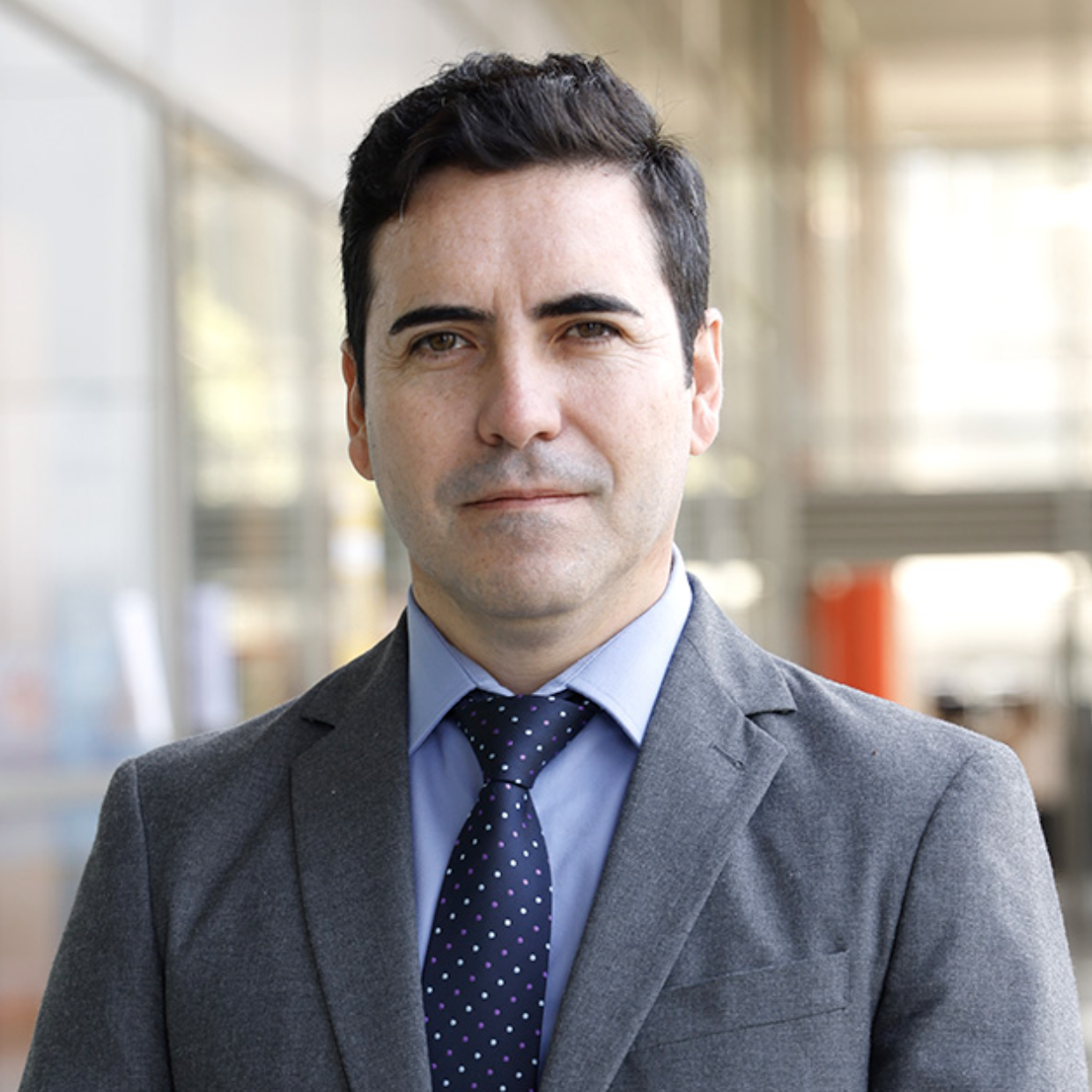
Cristian Barría Huidobro
Director, Cybersecurity Research Center – Universidad Mayor, Santiago, Chile
PhD in Computer Engineering, with postdoctoral studies in multicultural education and social media management. Master of Science in Computer Engineering and Master of Science in Educational Planning and Management. Bachelor of Science in Computer Science and Engineering, Computer Engineer, and Management Engineer. Director of the Cybersecurity Research Center at Universidad Mayor, Chile. Author of books and publications in computer science. In 2025, he received the Outstanding Professor Award from the IEOM – U.S. Society International for his academic contributions in the field of cybersecurity.
TALK:
Bits, Qubits, Quantum ComputingQuantum computing is one of the most promising technologies and, at the same time, one of the most surrounded by expectations and myths. This lecture, based on the book Bits, Qubits, Quantum Computing, offers a critical yet accessible look at its scientific foundations, the current state of its development, and the challenges it still faces. Key questions will be addressed, such as: How close are we to quantum supremacy? What impact will it have on security, artificial intelligence, and industry? And how much of what is being announced corresponds to real progress and how much to speculation? The goal is to provide a rigorous and balanced perspective that allows for an understanding of the true potential of this technology and its implications for science, engineering, and society.

Julio Ariel Hurtado Alegría
Coordinator of the Universidad del Cauca Node in RIPAISC; Titular Professor
Julio Ariel Hurtado is a Titular Professor at the University of Cauca and a senior researcher with a 20-year track record in Model-Driven Engineering, Software Processes, and Computational Thinking. Over the last three years, he has shifted his research focus towards Quantum Software Engineering, developing novel abstractions for this emerging field.
His work is reflected in extensive indexed publications, international collaborations, and applied research projects aligned with the convergence of Industry 5.0.
PANEL TITLE: RIPAISC
Multidisciplinary and Transnational Collaboration to Grow, as a Region, in Quantum TechnologiesThe panel will explore how multidisciplinary and cross-border collaboration can accelerate the growth of the quantum ecosystem across Latin America and the Iberian Peninsula. Organised by the Ibero-American Network for the Advancement of Quantum Software Engineering (RIPAISC) and the Quantum Computing Working Group of CLEI, the discussion will highlight initiatives that strengthen research, innovation, education, and industry collaboration through joint projects, researcher and student exchanges, training activities, and the development of methodologies and tools for quantum software engineering. The panel will also examine how regional cooperation can help build a sustainable, open, and inclusive quantum ecosystem capable of driving the adoption of quantum technologies.
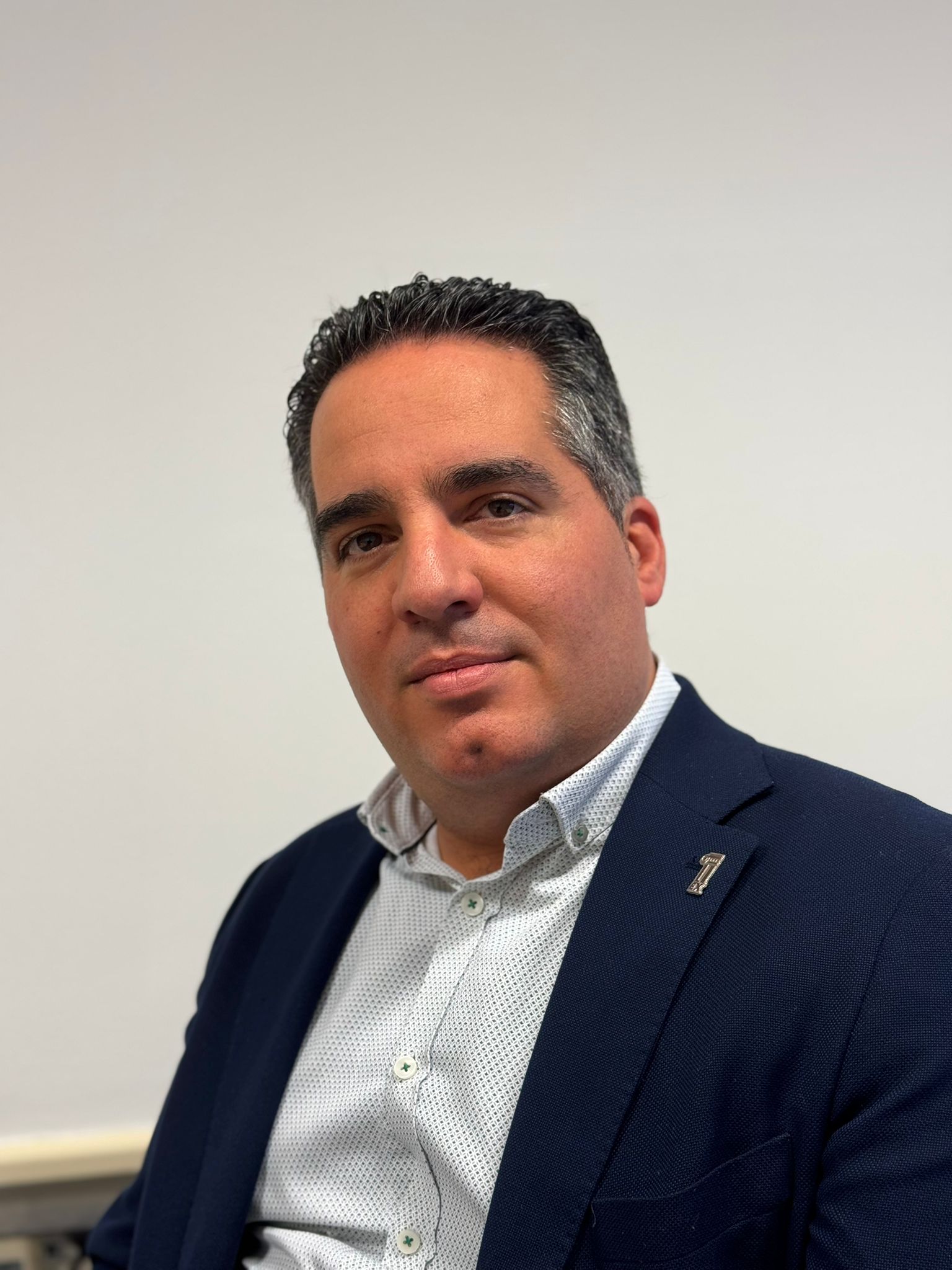
José Manuel García Alonso
Coordinador de RIPAISC – Universidad de Extremadura
Jose Garcia-Alonso is an Associate Professor at the University of Extremadura. In the last 10 years, his research interests have revolved around Quantum Software Engineering, eHealth Continuum and Gerontechnology. These interests have materialized in numerous publications in indexed journals and international conferences.
From these topics, Jose Garcia-Alonso started a new research line in his group around the use of services to improve the quality of life of ageing people. This multidisciplinary topic has also materialized in numerous publications. But more importantly, this research line has been funded with more than 2 million euros from different projects. Particularly, Jose has been the IP of an Interreg Project funded with more than 1.2 million euros in which he has coordinated 5 different entities, including 3 Portuguese universities.
These projects, alongside an interest in Quantum Computing, allowed Jose Garcia-Alonso to lead the new research line of Quantum Service Engineering inside his group. This research has already materialized in several publications in international conferences and indexed journals. Similarly, this work, alongside the previously mentioned work with ageing people, has attracted the interest of multiple companies in a project funded by CDTI with more than 3’5 million euros focused on the use of quantum services for personalized pharmacogenomics for ageing people.
PANEL TITLE: RIPAISC
Multidisciplinary and Transnational Collaboration to Grow, as a Region, in Quantum Technologies
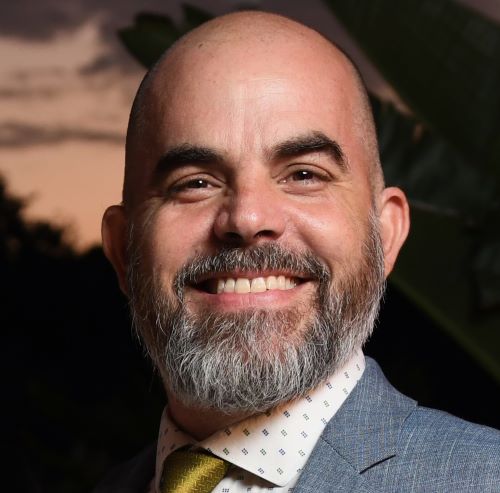
Alejandro Fernández
Director, LIFIA Research Centre – LIFIA Research Centre, Faculty of Informatics, National University of La Plata, La Plata
Alejandro Fernández is Director of the LIFIA Research Centre at the National University of La Plata (UNLP), Full Professor in the Faculty of Informatics, and an Independent Researcher at the Scientific Research Commission of the Province of Buenos Aires (CICPBA).
His research focuses on software engineering, collaborative systems, and, more recently, quantum software engineering. He currently leads the project Quantum Software Engineering in the NISQ Era: Resources, Copilots, and Education, which develops methodologies, frameworks, and tools to facilitate the construction and management of quantum software, including the use of artificial intelligence to support these processes.
He is a founding member of the Ibero-American Network for the Advancement of Quantum Software Engineering (RIPAISC) and Coordinator of the Quantum Computing Working Group of the Latin American Centre for Informatics Studies (CLEI), where he promotes research, education, and regional collaboration in quantum computing.
PANEL TITLE: RIPAISC
Multidisciplinary and Transnational Collaboration to Grow, as a Region, in Quantum Technologies
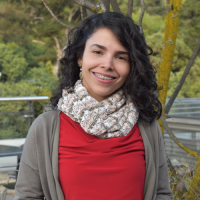
Kelly Johany Garces Pernett
Associate Professor, Department of Systems and Computing Engineering – Universidad de los Andes, Bogotá, Colombia
Kelly Garcés is associate professor of the Department of Systems and Computing Engineering at the Universidad de los Andes (Bogotá, Colombia). Prior to this, she was an R&D engineer and software engineer at Netfective Technology. She received her Ph.D. in September 2010 from the Université de Nantes. In 2011, she was a postdoctoral fellow at the INRIA laboratory. She has participated in research and development projects (proprietary or open source) since 2005, financed with private and public funds. Her research interests are software architecture, evolution and maintenance of complex software systems (e.g. legacy applications, IoT systems, quantum systems, microservice-based applications, etc.). Some of her lectures are: Software Architecture and Design, Software for Internet of Things (IoT), Software Modeling, Software Modernization, Model Driven Engineering.
PANEL TITLE: RIPAISC
Multidisciplinary and Transnational Collaboration to Grow, as a Region, in Quantum Technologies
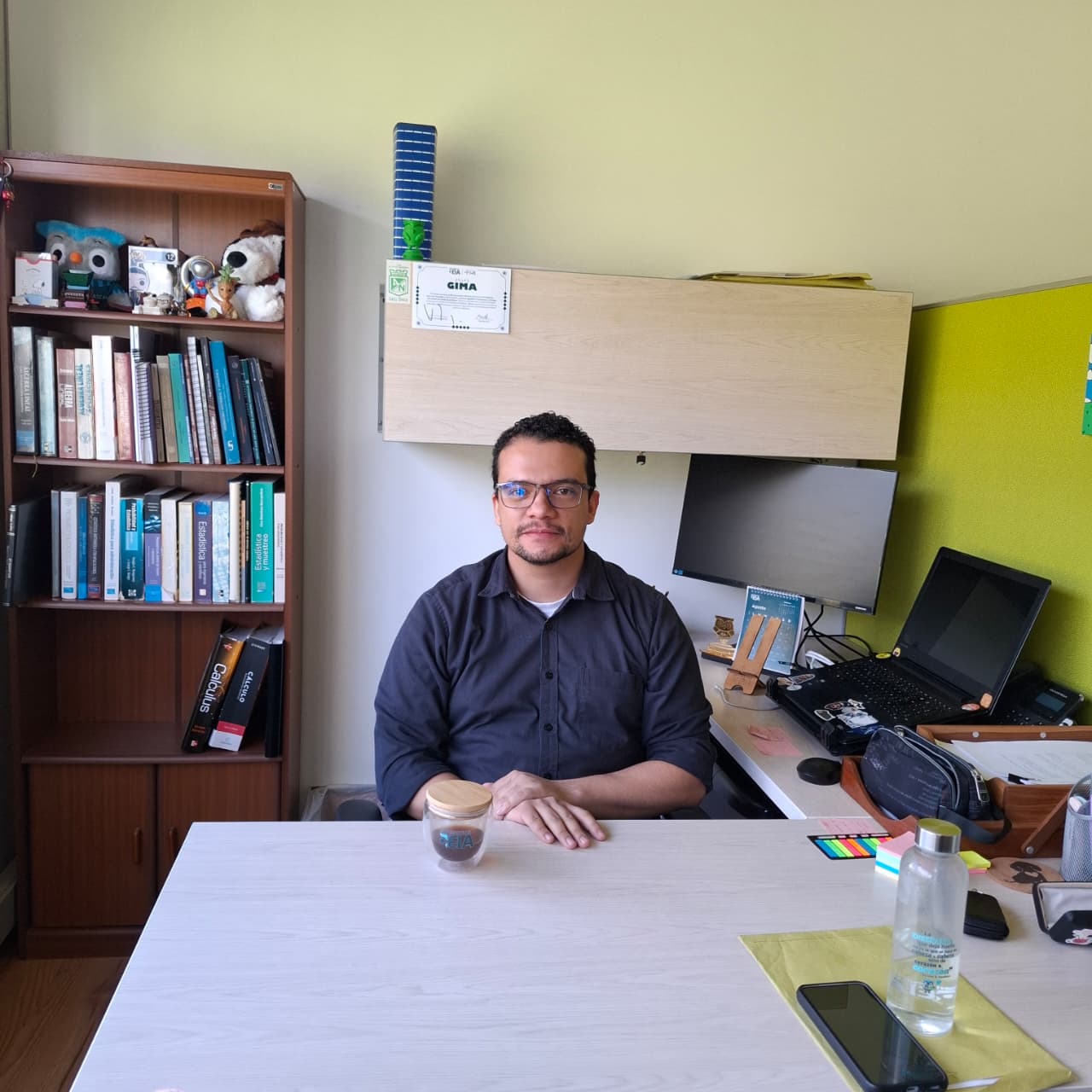
Andrés Sarrazola Alzate
Mathematics Professor, STEAM School – Universidad EIA
Andrés Sarrazola-Alzate is a mathematician and professor at the STEAM School of Universidad EIA, Colombia, where he leads the Research Group in Mathematics and its Applications (GIMA). He holds a PhD in Mathematics from the University of Strasbourg and has carried out postdoctoral research at both the University of Padua and the University of Strasbourg.
His research is centered on algebra and its interactions with cryptography and algebraic information theory, with particular interest in the mathematical structures that govern information, security, and computation. His work draws on representation theory, algebraic and combinatorial structures, noncommutative algebra, arithmetic and geometric methods, and related areas of pure mathematics.
A central theme of his research is the use of algebraic structure to understand how information is represented, transformed, constrained, and measured. This perspective naturally connects classical algebraic questions with cryptographic systems, information-theoretic models, and emerging computational paradigms.
More recently, he has extended this program toward the mathematical study of artificial intelligence and large language models. In this direction, he investigates how Brauer configurations, quivers, algebraic invariants, entropy, and combinatorial geometry can be used to characterize tokenization, repetition-sensitive information patterns, and structural computational cost. These developments form part of a broader research agenda seeking bridges between pure algebra, cryptography, information theory, and next-generation computational systems.
TALK:
Brauer Entropy, Information, and Computational Cost in Large Language Model TokenizationLarge language models process text as discrete units, introducing computational, memory, and economic costs. We propose a cost-aware Brauer model for local pattern recognition in tokenized text. Sliding windows of radius r generate Brauer configurations, quivers, and finite-dimensional algebras whose invariants quantify structural complexity. The main descriptor, Brauer cost mass, is complemented by entropy, algebra and center dimensions, connected components, graph edges, and quiver arrows. Closed formulas show how increasing the local context raises incidence and algebraic complexity. The analysis reveals three regimes: r=0 is inexpensive but degenerate, r=1 is the first radius with genuine local interaction, and larger radii substantially increase structural cost. Experiments on short English sentences confirm this transition, with r=2 and r=3 increasing average Brauer cost by about 60% and 115% relative to r=1. Thus, r=1 emerges as the first non-degenerate local radius that captures contextual interaction while keeping structural cost controlled.
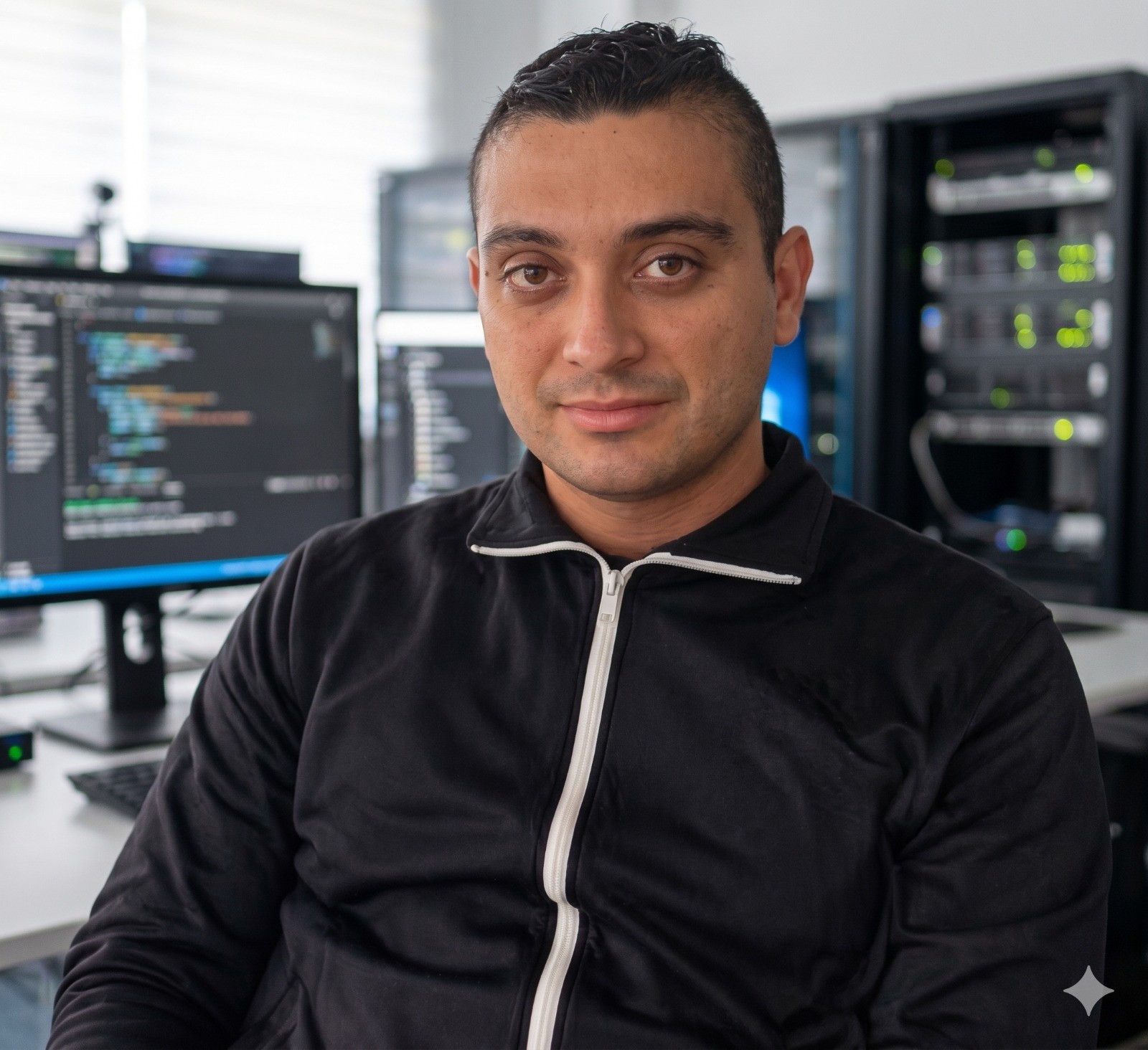
Cristian Daniel Marquez Barrios
PhD Student, Faculty of Engineering, Universidad de los Andes
TALK:
From Full-Stack Developer to Quantum Programmer: What Changes?This talk compares the classical software development workflow with the mindset shift and challenges involved in becoming a quantum programmer. It explores the fundamental differences between classical and quantum programming, highlighting the new concepts, tools, and ways of thinking required to develop software for quantum computers. The presentation offers insights into the transition from full-stack development to quantum computing and discusses the skills needed to navigate this emerging field successfully.
Day 2: Quantum Business and Government Initiatives
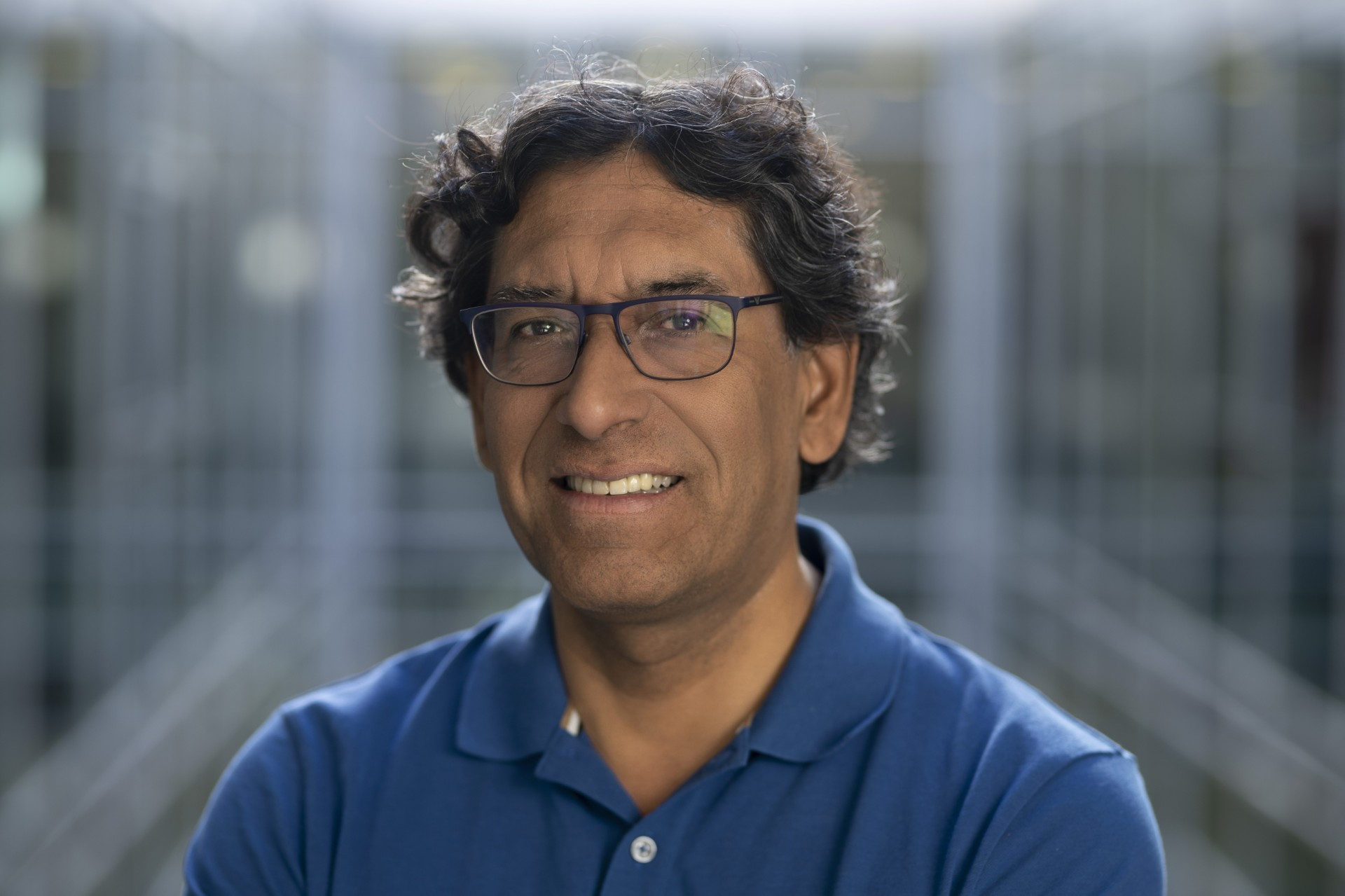
Enrique Solano
Independent Technology Advisor & Deeptech Entrepreneur
Enrique Solano is an independent Technology Advisor and deep-tech entrepreneur based in Berlin, Germany. He founded Kipu Quantum in 2021 and served as Co-CEO and later CEO until July 2026, leading the company to become a global pioneer in quantum computing by delivering quantum-advantage solutions for industrial applications through the Kipu Quantum Hub.
Previously, he was CEO of IQM Germany and co-founded Quanvia, a quantum sensing company in Spain. Before entering entrepreneurship, he spent over two decades in academia, leading internationally recognised research centres and interdisciplinary teams in Peru, Brazil, Spain, China, and Germany. His scientific work has received approximately 30,000 citations and an h-index of around 90.
His interests span quantum computing, artificial intelligence, quantum simulation, quantum sensing, quantum communication, neuromorphic quantum computing, robotics, quantum AI, agentic quantum computing, and the intersection of science, technology, entrepreneurship, and the arts.
TALK:
Quantum Computing for Universities and Industry in Latin AmericaThis talk will provide an overview of the latest technological advances in both quantum computing software and hardware. It will then explore how universities and industries across Latin America can contribute to and benefit from the development of this emerging technology. The presentation will highlight opportunities for research, innovation, talent development, and collaboration, illustrating how the region can play an active role in shaping the future of the global quantum ecosystem.
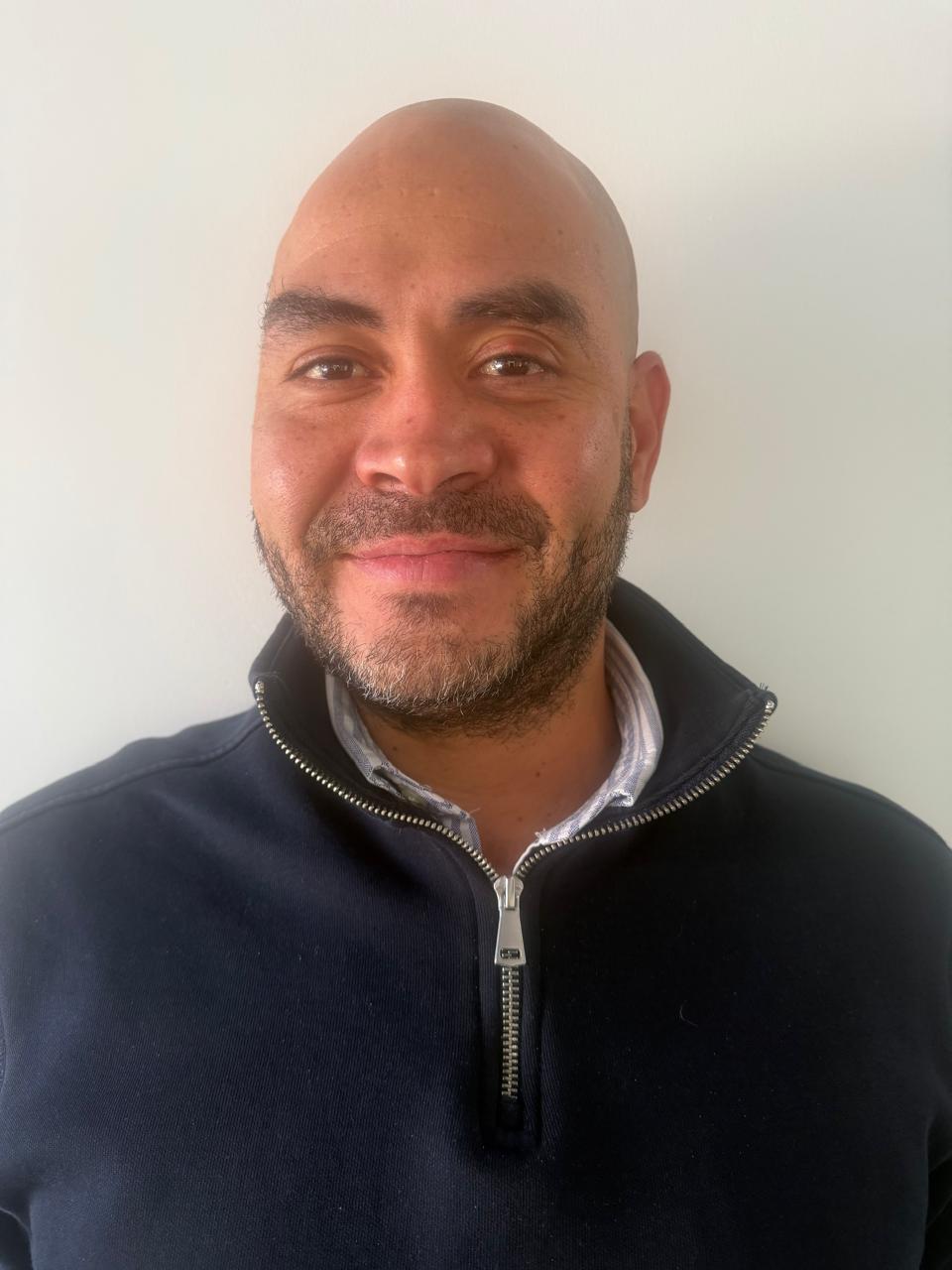
Juan Felipe Montoya
Director General – EHRE Evolution
Juan Felipe Montoya is the General Director of EHRE, where he leads the corporate strategy focused on the adoption, consulting, and training of emerging technologies. With a vision centred on the future of business transformation, he promotes the integration of advanced solutions such as Artificial Intelligence, intelligent automation, and data analytics into the operational processes of organisations across Latin America.
TALK:
How to Take the First Step in Government Administrative Processes to Integrate Quantum TechnologiesThis panel explores, from a practical perspective, how public administrations can evolve towards the adoption of advanced technologies. Throughout the session, the panellists will examine organisational bottlenecks within the public sector and propose concrete courses of action, such as auditing critical cybersecurity processes, executive training, and scalable pilot programmes. With a strong focus on leadership and digital sovereignty, the discussion addresses how the real risk for Latin American governments lies in inaction in the face of a rapidly evolving technological ecosystem.
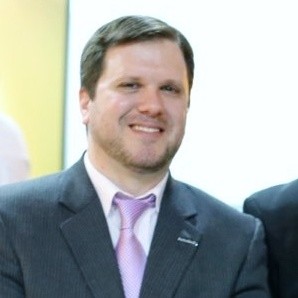
Julio Cella
Brand Partner Specialist, Data & AI / IBM Senior Quantum Ambassador
Julio Cella has more than 27 years of experience in technology and sales. Throughout his career, he has worked at Microsoft, Symantec, Kaspersky, Trend Micro, and IBM. He studied Physics and currently serves as Brand Partner Specialist for Data & AI at IBM Argentina and Paraguay.
In addition, he is an IBM Senior Quantum Ambassador, where he promotes the adoption of quantum computing technologies and helps organisations understand the practical applications of IBM Quantum. His work focuses on bridging emerging technologies with real-world business challenges, supporting innovation in artificial intelligence, data, and quantum computing.
TALK:
The Era of Quantum Utility at IBMThe fundamental building blocks of quantum computing are already emerging. This talk presents the latest advances in quantum technology and explains how IBM is leading the development of quantum computing systems. It explores the current state of quantum computing, highlighting that the practical application of quantum technology is no longer just a theoretical possibility but an emerging reality with growing industrial impact.
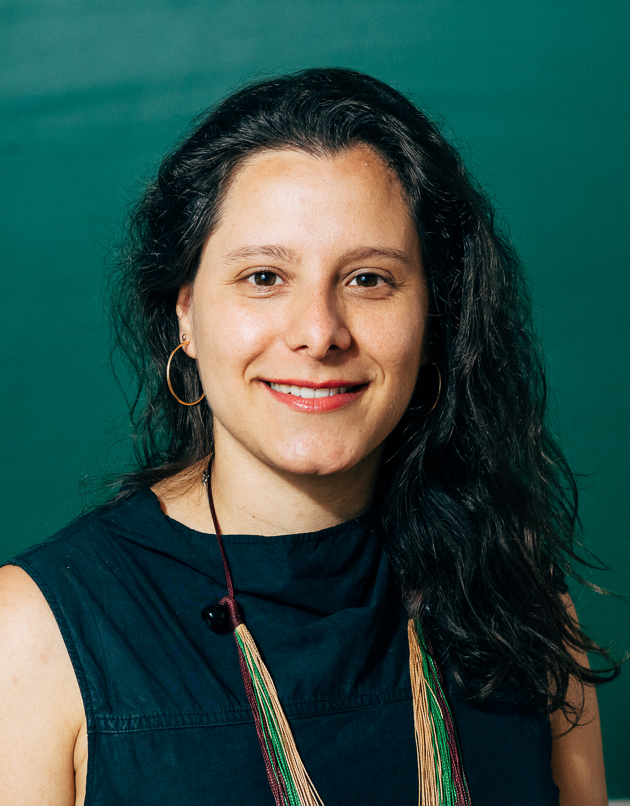
Elizabeth Agudelo
Theoretical Quantum Optics Researcher, TU Wien (Vienna University of Technology)
Dr Elizabeth Agudelo Ospina is a Colombian physicist and researcher specialising in theoretical quantum optics, quantum correlations and quantum information. She is a Principal Investigator in Theoretical Quantum Optics at TU Wien and the Institute for Quantum Optics and Quantum Information (IQOQI Vienna).
She completed her bachelor’s degree in Medellín, Colombia, her master’s degree in Belo Horizonte, Brazil, and her PhD in Rostock, Germany. After conducting postdoctoral research in Florence, Italy, she joined TU Wien in 2019. Her research explores quantum entanglement and complex quantum correlations, with applications in quantum communication and quantum computing.
TALK:
Unlocking Europe’s Quantum Future: Research Horizons, Educational Pathways, and the European Quantum AcademyThe field of quantum science and technology is experiencing an unprecedented expansion across Europe, opening diverse avenues for study, research, and innovation. Bridging foundational physics with pan-European educational initiatives, this presentation highlights the growing ecosystem of opportunities available to students, early-career researchers, and institutions across the continent.
Expanding from local research to European-wide capacity building, I highlight the European Quantum Academy (EQA)—a flagship initiative uniting over 70 partner institutions to streamline and elevate quantum education across six regional hubs. The EQA coordinates the entire talent pipeline: from secondary school outreach and harmonized Master’s degree programs to doctoral networks, professional upskilling, and exchange opportunities across borders.
Reflecting on my international journey from Colombia, Brazil, and Germany to Austria I discuss how interdisciplinary collaboration, inclusive networks, and mobility initiatives empower the next generation of quantum talent to thrive anywhere in Europe.

Paulina Assmann
CEO & Co-Founder – Sequre Quantum
Paulina Assmann holds a PhD in Physics from the University of Concepción and the University of Leicester. She is the Co-Founder and CEO of SeQure Quantum, the first quantum technologies company in Latin America, where she leads the transformation of quantum science into market-ready cybersecurity solutions. Her work focuses on business development, technology transfer, and strategic growth at the intersection of science and industry.
With more than eight years of experience spanning academia, the public sector, and private industry, Paulina has led high-impact innovation initiatives at both the national and international levels. She was recognised by UNESCO as one of the Quantum 100, honouring global leaders driving advances in quantum science and technology.
TALK:
SeQure Quantum: From the Laboratory to the Global MarketTransferring quantum technologies from the laboratory to the marketplace requires far more than scientific breakthroughs—it demands transforming specialised knowledge into reliable, scalable solutions that address real-world needs. This talk will present the journey of SeQure Quantum, from its origins in academic research to its international expansion.
The presentation will explore the key challenges of building a deep-tech company, including validating a value proposition, transforming research prototypes into commercial products, establishing strategic partnerships, attracting talent and investment, and accessing global markets. Drawing on SeQure Quantum’s experience, the talk will reflect on the conditions necessary for translating scientific research into impactful innovation and highlight the opportunities that quantum technologies offer for developing the next generation of cybersecurity solutions.

Daniel Ruiz
Co-Founder – Qnow Technologies Corp, Argentina
Daniel Ruiz is a professional passionate about innovation and exploring the frontiers of technology, with a special interest in Quantum Computing and Artificial Intelligence. He currently serves as founder of Qnow and Senior Analyst at Accenture, where he drives the development of high-impact technological solutions aimed at digital transformation.
With more than ten years of experience in the technology industry, he has participated in the design and implementation of projects that combine research, development, and innovation, always with the goal of generating value through the application of emerging technologies. His work focuses on bringing the potential of AI and quantum computing to real challenges across different sectors, promoting the creation of scalable, future-oriented solutions.
Convinced of the transformative power of these technologies, he dedicates his career to driving initiatives that contribute to scientific and business advancement, fostering collaboration between research and industry to accelerate the adoption of the next generation of technological innovation.
TALK:
Bootstrapping Deep Tech: Building a Quantum Computing CompanyThe development of deep tech companies has traditionally been associated with high capital requirements, multidisciplinary teams, and long research and development cycles. However, recent advances in Artificial Intelligence, autonomous agents, and automation are changing this paradigm, enabling the creation of more efficient organizations from their earliest stages.
This talk presents a perspective based on the experience of building a startup focused on Quantum Computing and Artificial Intelligence under a bootstrap model. It will examine how the integration of AI agents into development, operations, and knowledge management processes can increase productivity and facilitate the growth of deep tech companies with limited resources. It will also discuss the opportunities and limitations of this approach, proposing a model in which organizational autonomy and the strategic use of emerging technologies constitute a competitive advantage for the development of science- and technology-based companies.
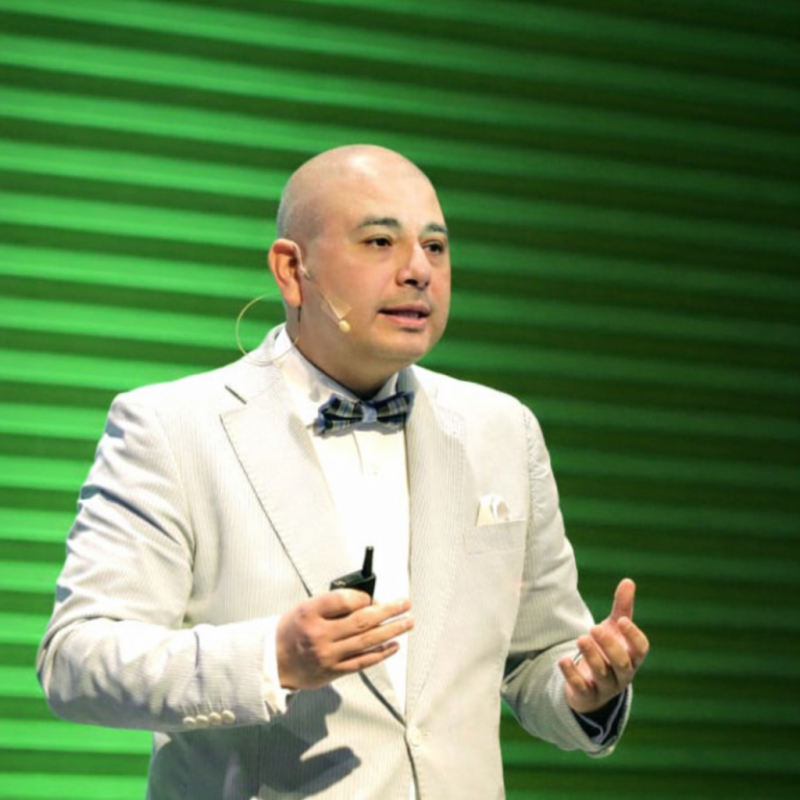
Jean Bernier
Chief Product Officer & Founder – AnniQ
Jean Bernier is an entrepreneur, technology strategist, and Co-Founder of AnniQ, with more than 25 years of experience in artificial intelligence, digital transformation, and emerging technologies, as well as over 12 years exploring the impact and applications of quantum computing.
Throughout his career, he has worked with more than 200 companies, helping them transform technology, data, and innovation into tangible business capabilities. His approach combines strategy, customer experience, artificial intelligence, automation, and disruptive technologies to build more adaptable, efficient, and future-ready organisations.
He currently leads product development at AnniQ, where he researches and develops systems that connect customer knowledge, artificial intelligence, and emerging technologies to accelerate business growth and improve decision-making.
Jean approaches quantum computing from a practical perspective, focusing on how it can evolve from research into real-world business applications, the capabilities organisations should develop today, and how to prepare for a future where artificial intelligence, classical computing, and quantum technologies converge.
TALK:
Quantum Made in Colombia: We Don’t Have to Wait for the Quantum Future to Start Building It TodayQuantum computing is no longer just a long-term ambition. Today, companies, startups, universities, and innovation ecosystems can begin developing hybrid solutions that combine classical computing, artificial intelligence, and cloud-accessible quantum resources.
This talk explores why Colombia has a genuine opportunity to participate in this new technological wave without waiting to develop its own quantum hardware. It presents current use cases and practical applications where hybrid approaches can create value in optimisation, simulation, analytics, logistics, finance, energy, and other sectors relevant to the country.
The presentation also outlines a practical roadmap for SMEs, startups, large enterprises, and ecosystem stakeholders to identify suitable problems, experiment with quantum technologies, and begin building quantum capabilities today.
The central message is simple: Colombia does not have to limit itself to consuming the next technological revolution—it can start building it today.
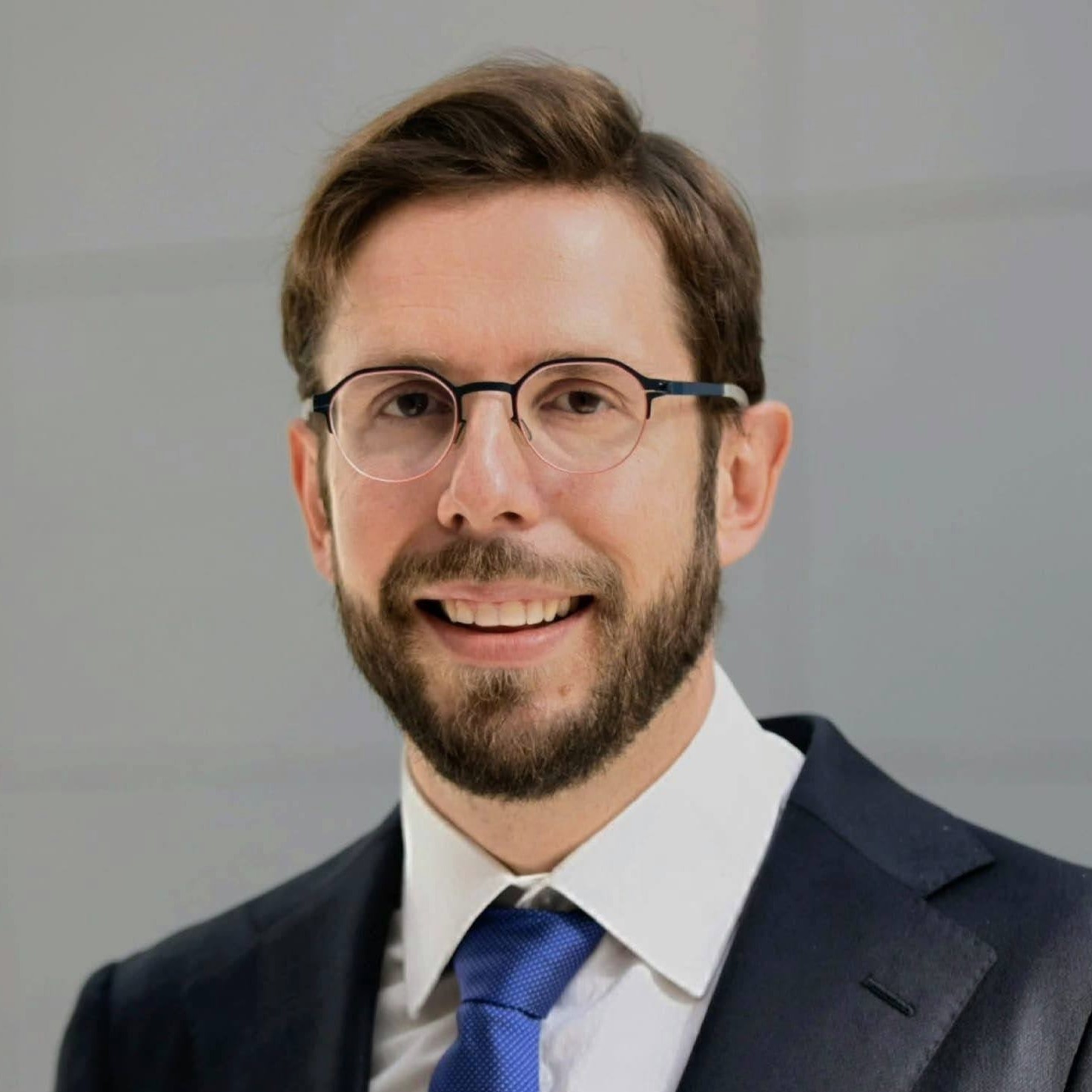
Andrés Barreneche García
Economist and Public Policy Analyst – Organisation for Economic Co-operation and Development (OECD), France
Andrés Barreneche García is an Economist and Policy Analyst at the Organisation for Economic Co-operation and Development (OECD), where he leads analysis, dialogue, and policy development activities in the field of emerging technologies. His work supports OECD member countries in identifying opportunities and challenges associated with technological innovation, contributing to the design of data-driven public policies aimed at promoting the responsible development of new technologies.
He currently directs international initiatives aimed at strengthening the governance of quantum technologies, analyzing the strategies and policies adopted by different countries, and improving the readiness of governments and businesses for the changes these technologies may bring to the economy and society. He also designs and coordinates consultation and collaboration processes among governments, businesses, academic institutions, and civil society, in order to promote informed dialogue and consensus-building around emerging technological challenges.
He is the author of reports and studies on innovation, artificial intelligence, and quantum technologies, and contributes to strategic debates that support public policy formulation. He holds a PhD in Management Sciences from Université Paris-Sud (France), a master’s degree in Economics from Ritsumeikan University (Japan), and a degree in Industrial Engineering from Universidad de los Andes (Colombia).
TALK:
Preparing businesses for quantum computingQuantum computing is rapidly advancing toward applications with potential impact across multiple economic sectors. Although many of its commercial applications are still in early stages of development, companies are already facing strategic decisions about how to prepare for this technology and anticipate its opportunities.
This presentation offers an overview of the main findings of the OECD report Building Business Readiness for Quantum Computing. Based on interviews with experts, companies, and innovation ecosystem stakeholders, the study analyzes the current state of quantum computing, the barriers hindering its adoption, and the capabilities companies can begin developing today. It also examines aspects related to talent, technological experimentation, strategic partnerships, and business planning under uncertainty.
The presentation will discuss recommendations for businesses and policymakers aimed at strengthening the readiness of the productive sector for one of the most promising technologies of the coming decades.
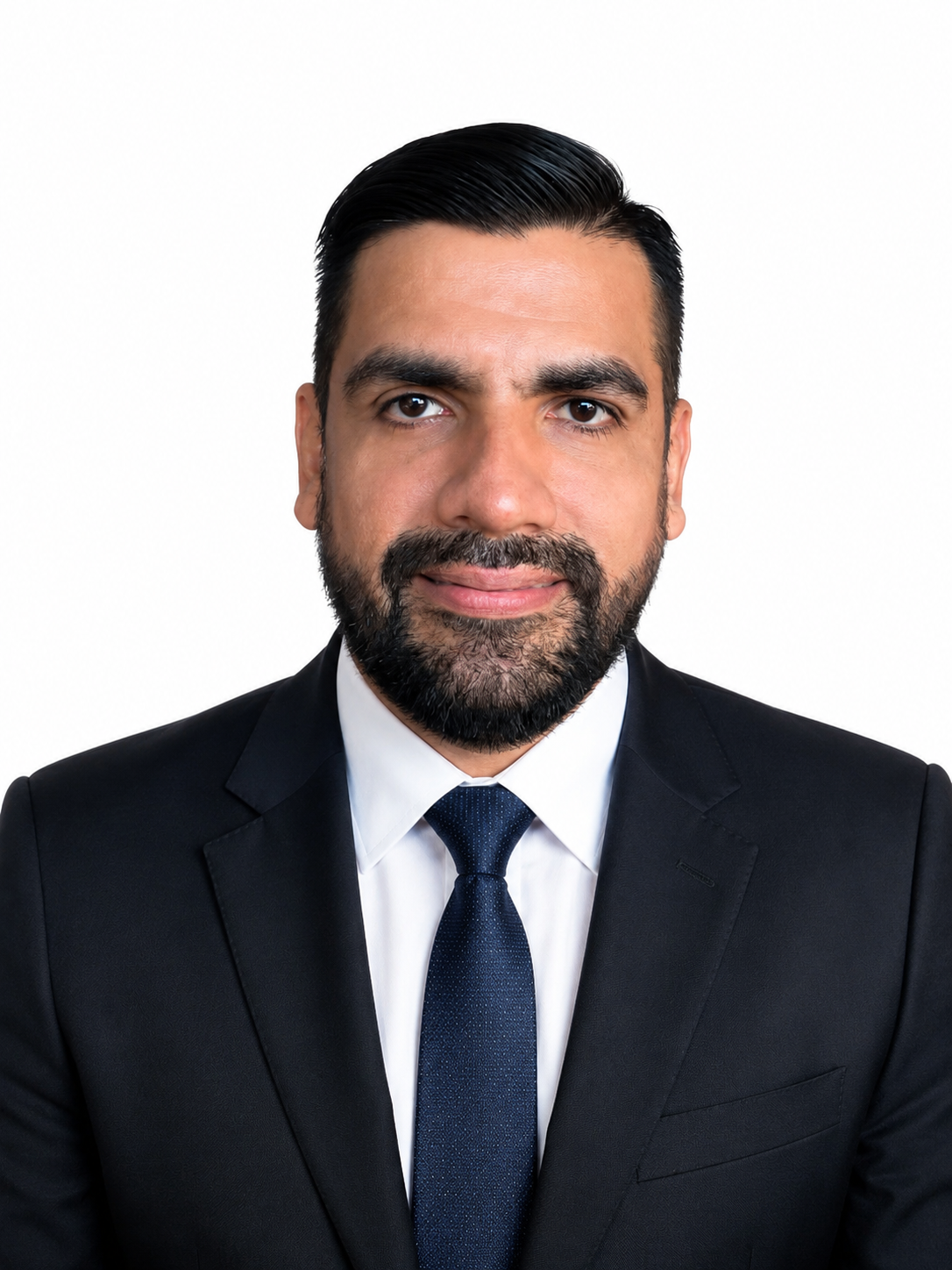
Johany Armando Carreño Gamboa
Executive President – Sociedad Colombiana de Computación – SCo2
Johany Armando is a systems engineer with a Master’s degree in Information and Communication Technologies, dedicated to helping individuals and organisations reach their full potential. He leads transformation initiatives that combine human-centred technology, innovation, and strategic decision-making to create meaningful impact on people, careers, and businesses.
He is an enterprise architect, university lecturer, international speaker, workshop facilitator, ed-tech mentor, data analyst, digital coach, technology evangelist, and advocate for computational thinking. Johany currently serves as Executive President of the Colombian Computer Society, Director General of the Latin American Competitive Programming Network (RPC Latam), and Co-founder of the Ibero-American Seminar on Computational Thinking. His work focuses on advancing digital transformation, technology education, and innovation across Latin America.
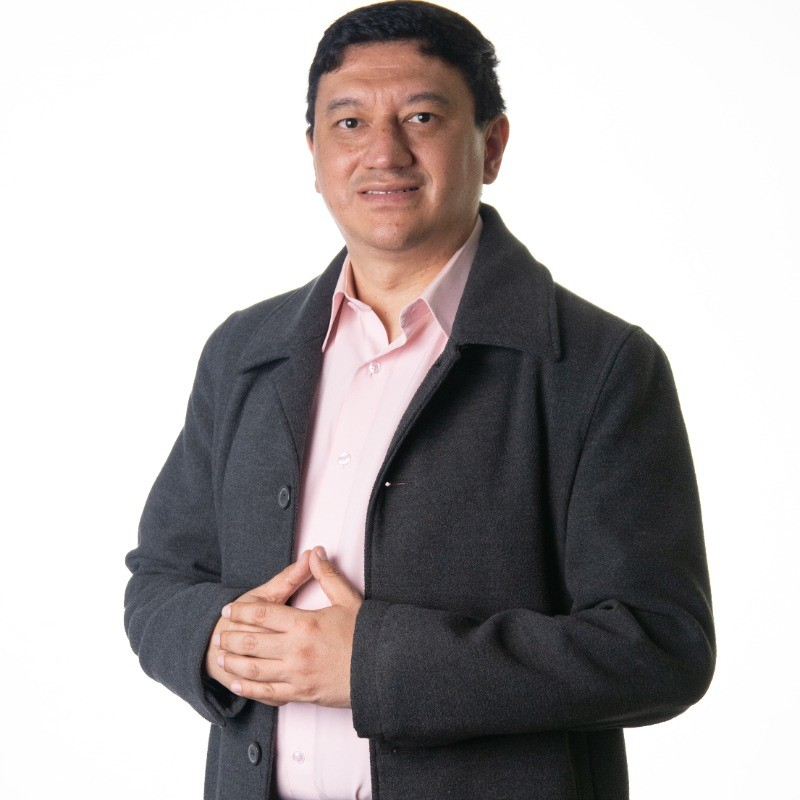
Director of Technological Partnerships – Gestión de Seguridad Electrónica – GSE, Bogotá, Colombia
Leonardo Maldonado is Director of Technological Partnerships at GSE (Gestión de Seguridad Electrónica), the main provider of digital identity and trust services in Colombia.
With more than 20 years of experience in digital identity since 2004, Leonardo has led fundamental projects, among which biometric authentication through fingerprints using Colombia’s national database for banks and notaries stands out, as well as pilots developed with facial biometrics.
He has been an advocate for cryptographic evolution, leading GSE’s implementation of signing with an elliptic curve algorithm and the CSC API for cloud signatures, in addition to the integration with Adobe Acrobat Sign.
As the local host of the international event “Trust Without Borders 2026,” Leonardo contributed extensive experience in digital transformation, PKI and biometric authentication to promote interoperability and trusted digital services beyond borders.
He supports strategic regional expansion activities through the companies LETMI in Panama and Ecuador, also with the digital identity portfolio bemyself.com.
Panel of Quantum Strategies in Colombia
During the panel, the intention is to develop a public policy proposal and national strategic plan, so that the countries of Latin America build, between 2026–2030 with a projection to 2035, an articulated and self-sustainable national quantum ecosystem.
Propose a Quadruple Helix Model (Carayannis and Campbell, 2009) that integrates academia, business, government and civil society under a National Council for Quantum Technologies, organized into four fronts: capacity building, regulatory governance —with the migration to post-quantum cryptography (NIST FIPS 203/204/205) as a cybersecurity priority in view of the Q-Day horizon—, regional/international integration, and business adoption with social appropriation.
Including financial self-sustainability mechanisms (Quantum-as-a-Service, PQC certification, seed capital funds, corporate upskilling), emphasis on gender inclusion in STEM, and benchmarking against the European Union, United States, Singapore, Chile and Colombia.
Proposing national coordination with voluntary regional interoperability through the IDB, ECLAC and OAS.

Bruna Shinohara de Mendonça
Staff Scientist, Quantum Technologies – CMC Microsystems
Dr. Bruna Shinohara de Mendonça is a Staff Scientist specialized in Quantum Technologies at CMC Microsystems. Her work comprises quantum algorithm development as well as quantum education. She holds a PhD in Physics, focusing on Condensed Matter Theory and Quantum Computation.
Bruna is a dedicated science communicator, with numerous Portuguese and English content in Quantum Science and Technologies, including two articles featured on the official Qiskit Medium, podcasts and popular science magazines.
She also developed and delivered courses on Quantum Computing to universities and organizations. Her contributions have been awarded by University of Sao Paulo, Quantum Innovation Summit and UnitaryHack.
TALK:
Forging your own quantum pathThis talk is about how the road least traveled can be the most rewarding! With more than three years working in the quantum industry with both technical and non-technical duties, besides engaging with policy and ethical aspects of the field, my work does not exactly fit in a box.
I will discuss how my not-so-straight career in quantum technologies was shaped by paying attention to the industry dynamics and a lot of honest self-reflection. I hope my experiences can bring new perspectives anyone getting started or rethinking their career in quantum technologies.
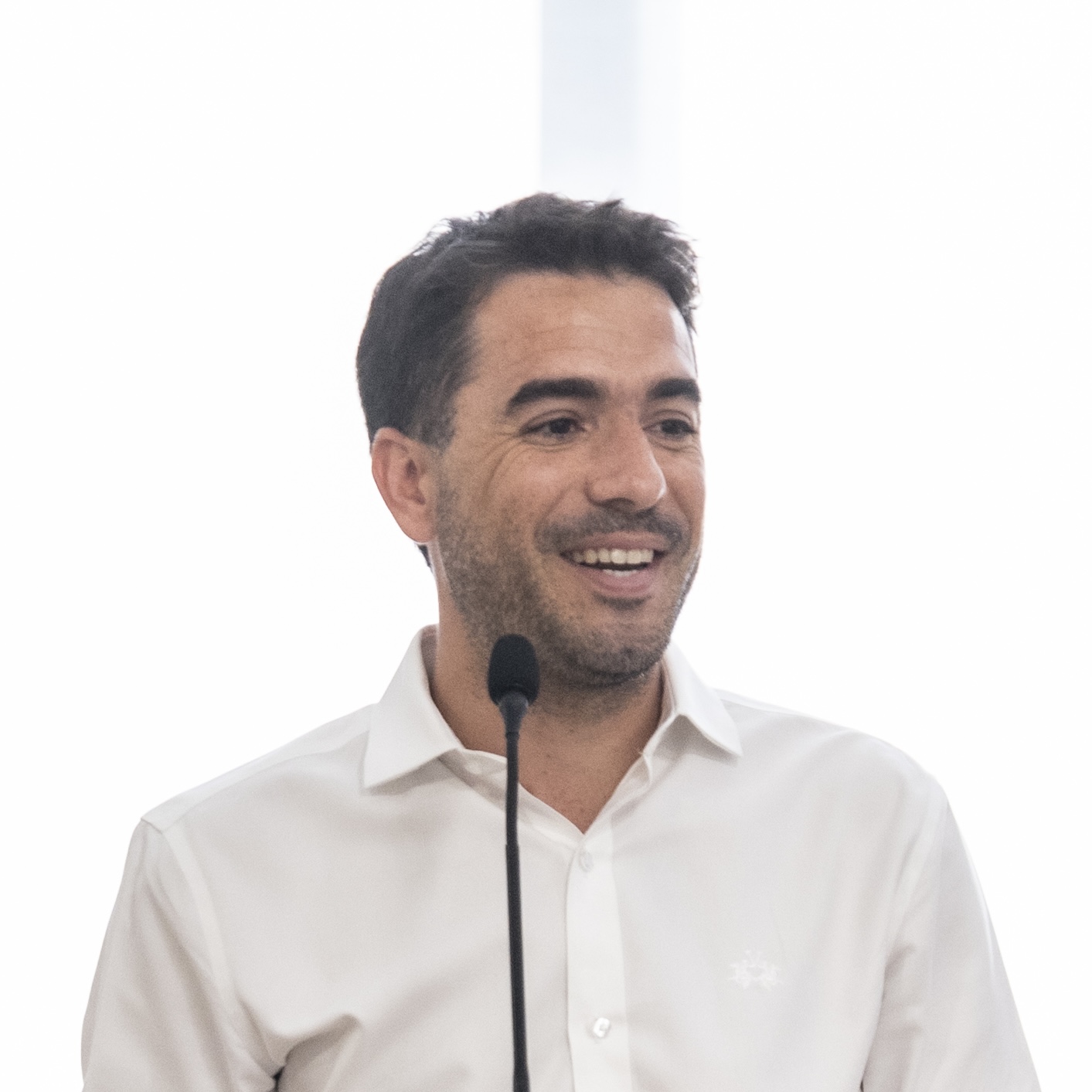
Ignacio Silva
Consultant in Digital Infrastructure and Emerging Technologies – World Bank, Chile
Ignacio Silva Santa Cruz is a Consultant in Digital Infrastructure and Emerging Technologies at the World Bank, where he advises on policy design and capacity-building for the adoption of frontier technologies. Previously, as Head of the Emerging Technologies Division at Chile’s Ministry of Science, Technology, Knowledge and Innovation, he led the formulation of the National Quantum Technologies Strategy 2025–2035. In that role he led a participatory, inter-institutional, and multisectoral process that brought together academia, research centers, industry, and the State, with technical support from the Inter-American Development Bank (IDB). His work has focused on translating cutting-edge scientific knowledge into public policy, defining pillars of institutional governance, enabling factors — talent, infrastructure, and financing — and technological development and adoption, under principles of ethics, inclusion, sustainability, and technological sovereignty. He has promoted Chile’s integration into global quantum technology networks and the connection between science and key productive sectors such as health, energy, mining, logistics, and cybersecurity.
TALK:
National Quantum Technologies Strategy from a Public Policy PerspectiveHow does a country design public policy for a technology that is still maturing? This talk presents Chile’s National Quantum Technologies Strategy 2025–2035 and the process that made it possible: from the Advisory Commission convened in 2024 to the public consultation and publication in December 2025, with support from the IDB and within the framework of the International Year of Quantum Science and Technology. We will review the comparative exercise of twenty national strategies, the architecture of the Strategy — governance and institutional framework, enabling factors, and development and adoption — and its cross-cutting principles of ethics, inclusion, sustainability, and technological sovereignty. The presentation reflects on the challenges of formulating anticipatory public policy: balancing long-term vision with scientific uncertainty, coordinating the ecosystem, and ensuring that the benefits of the quantum revolution reach the people.
Day 3: Quantum For Everyone
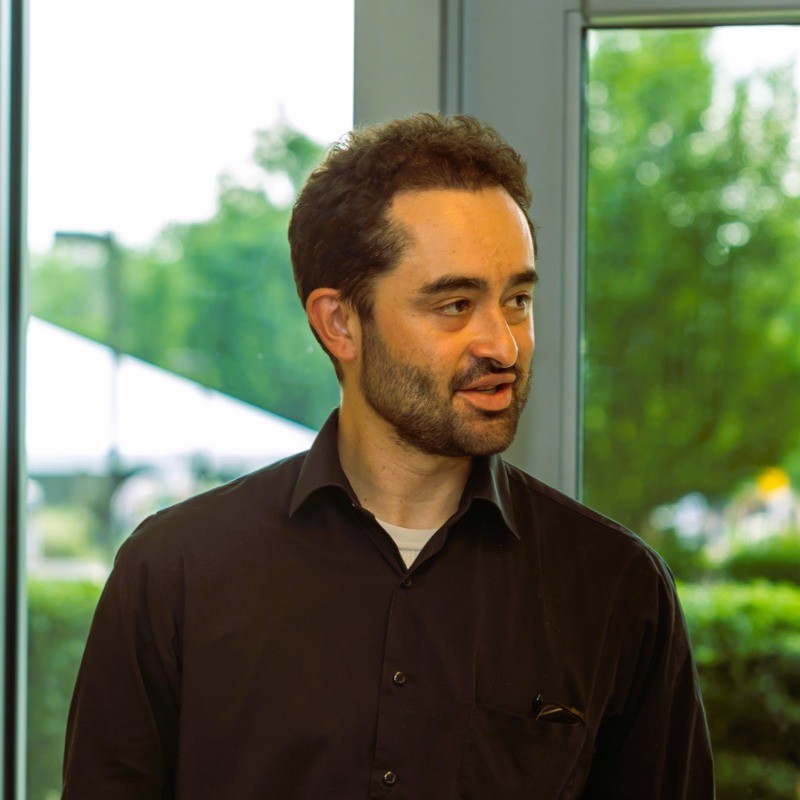
Samuel Felipe Serna Otalvaro
Associate Professor of Physics, Photonics and Optical Engineering, Bridgewater State University (BSU), Massachusetts, USA
Visiting Researcher, Massachusetts Institute of Technology (MIT), Massachusetts, USA
Samuel Serna Otálvaro is an Associate Professor of Physics, Photonics, and Optical Engineering at Bridgewater State University (BSU), Massachusetts, and a collaborator and researcher at the Massachusetts Institute of Technology (MIT). His research focuses on integrated photonics, nonlinear optics, optical interconnects, photonic packaging, and new architectures for the integration of electronic and photonic systems.
He is a Co-PI on the NSF Convergence Accelerator FUTUR-IC project, led by MIT, where he contributes to the development of energy- and resource-efficient technologies and strategies for microelectronic and photonic systems.
His work also has a strong educational and talent-development component, connecting research, industry, and education in photonics and emerging technologies. He has developed research and training collaborations across the United States, France, Colombia, and other countries, with a particular interest in strengthening connections between Latin American scientific and technology ecosystems and international photonics networks.
TALK:
From Integrated Photonics to Quantum Technologies: Devices, Integration, and Training for a New Technology EcosystemIntegrated photonics has become an enabling platform for applications ranging from communications and computing to sensing and quantum technologies. In this talk, I will present some of our recent work on integrated photonic devices, optical interconnects, and the integration and packaging of photonic chips, developed across Bridgewater State University, MIT, and international collaborators. Beyond individual devices, I will discuss how these technologies require us to think simultaneously about manufacturing, integration, energy efficiency, scalability, and talent development. Finally, I will share experiences of collaboration between the United States, Europe, and Colombia and reflect on the opportunities that photonics and quantum technologies offer to build a more connected Latin American ecosystem linking universities, industry, and international research centres.
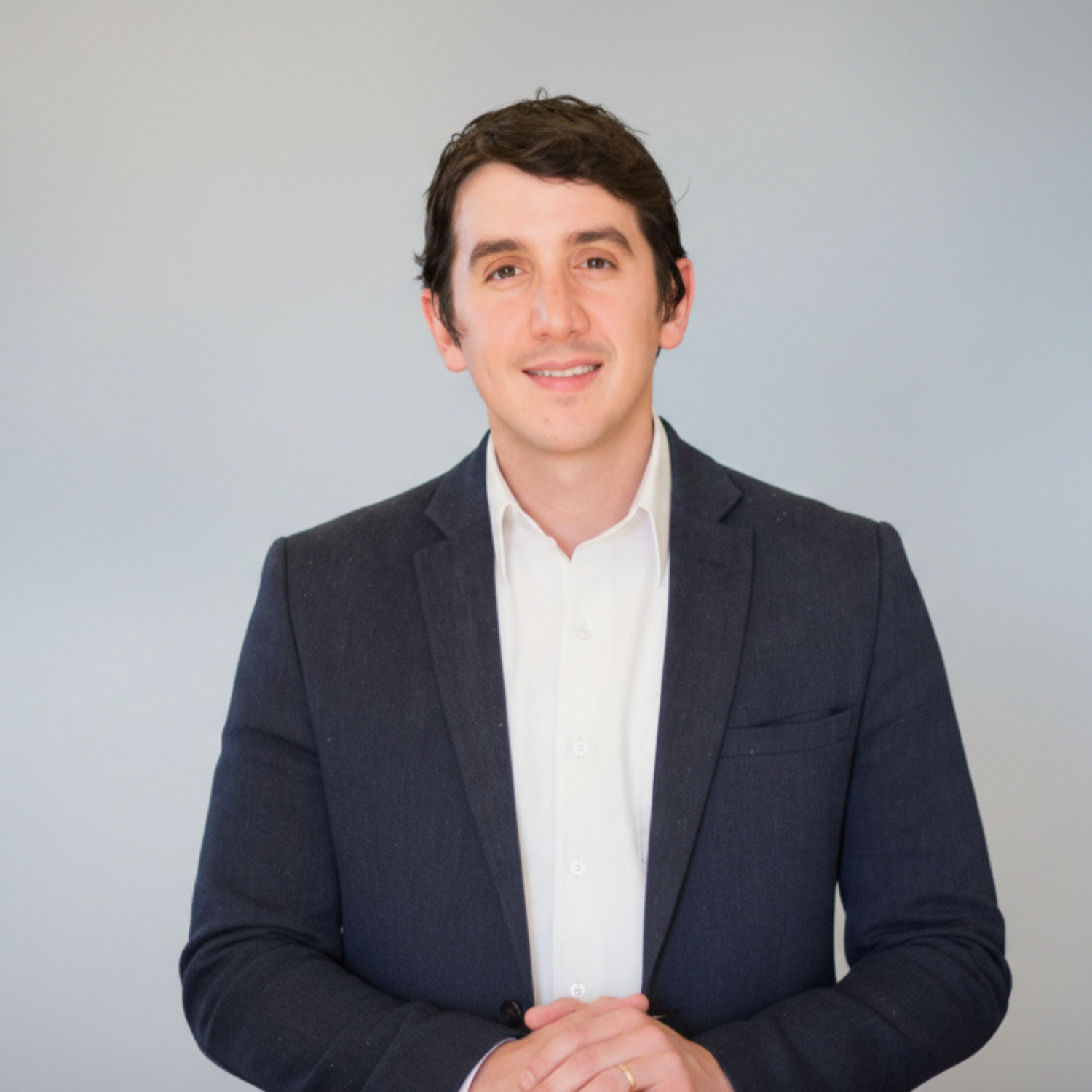
Mariano Caruso
Coordinator, Quantum Research & Development Unit – FIDESOL
Dr. Mariano Caruso holds a PhD in Mathematical Physics from the University of Granada (Spain) and a Bachelor’s degree in Physics from the National University of La Plata (Argentina).
He currently serves as Coordinator of the Quantum Research & Development Unit at the FIDESOL Technology Centre in Spain. He is also a lecturer in the Master’s Programme in Quantum Computing at UNIR (Universidad Internacional de La Rioja) and an Associate Researcher at the University of Granada.
His research and professional expertise span quantum physics, stochastic models, machine learning, and cryptography. Throughout his career, Dr. Caruso has combined rigorous academic research with the development of mathematical and algorithmic solutions for technological innovation in the private sector, bridging fundamental science and real-world applications.
TALK:
Q2SAR: Quantum Multiple Kernel Learning for Drug DiscoveryThe development and discovery of new drugs requires modelling complex structural relationships in high-dimensional feature spaces using Quantitative Structure–Activity Relationship (QSAR) methods. This presentation introduces Q2SAR, a framework based on Quantum Multiple Kernel Learning (QMKL) and Quantum Support Vector Machines (QSVMs) for analysing and predicting the biological activity of molecules.
The talk will present the mathematical foundations of mapping molecular features to quantum states, the optimal combination of quantum kernels, and the ability of this approach to capture complex non-linear patterns compared with traditional classical methods. It will also discuss the experimental validation of the Q2SAR pipeline and explore opportunities for implementing these techniques on Noisy Intermediate-Scale Quantum (NISQ) devices, highlighting their potential applications in the biotechnology and pharmaceutical industries.

Nancy Korina Barraza Aguilera
Academic and Researcher – Universidad Diego Portales (UDP) — Faculty of Engineering and Sciences
Nancy Barraza holds a Ph.D. in Engineering Sciences, with a specialisation in Materials Science and Engineering, from the University of Santiago of Chile. Her scientific career has been shaped by a multidisciplinary background and by a strong interest in connecting different areas of science and technology. An important part of her academic development was devoted to the study and development of nanomaterials with different properties and potential applications, combining materials science, physics, and nanotechnology.
Over time, expanding her expertise into other disciplines became an important part of her development as a researcher. This path led her to quantum technologies and, in particular, to exploring how concepts and tools from different fields can be connected with quantum computing. She conducted her postdoctoral research at the QuArtist Center at Shanghai University, working with Dr Enrique Solano, and later worked as a Quantum Engineer at Kipu Quantum.
She is currently an academic and researcher at Universidad Diego Portales and a researcher at the Center for the Development of Nanoscience and Nanotechnology (CEDENNA). Her research in quantum technologies focuses primarily on quantum computing, optimisation, and the design and control of quantum dynamics.
She is also actively involved in quantum education and in the development of the quantum community in Chile. She has served on the organising committee of several editions of QuSantiago, a Quantum Computing School aimed at training new generations and strengthening quantum computing capabilities in the country.
Her current interests include continuing to build bridges between different disciplines, both in research and education, and contributing from this multidisciplinary perspective to the development of quantum technologies in Chile and Latin America.
TALK:
Finding the Best Path in Quantum ComputingQuantum computing is inherently an interdisciplinary field, bringing together physics, mathematics, engineering, computer science and, increasingly, knowledge from other scientific areas. This diversity of perspectives enables new problems to be addressed, different questions to be formulated and more comprehensive solutions to be developed.
As an example of this convergence, the talk will present, in an accessible way, work on Variational Coherent Quantum Annealing (VCQA), where concepts from quantum mechanics, optimisation and control are combined to explore better evolution strategies for quantum annealing problems.
Beyond a particular algorithm, the talk invites us to think of quantum computing as a space where disciplines meet: a tool that can engage with different areas of science while being enriched by the different perspectives of those who approach it.

Jaime Alexander Jiménez Lozano
Researcher in Quantum-Oriented Computing and Data Science – QDSV & Qruba
Jaime Alexander Jiménez Lozano holds a degree in Business Administration and an MBA and is a data scientist involved in research and development within the QDSV and Qruba ecosystem. His work focuses on the semantic representation of problems, predicate-based computing, and the development of tools that connect declarative specifications with verifiable quantum execution workflows.
He is co-author of two scientific papers available on arXiv concerning QDSV and contributes to the development of QIntent and QDSV Bridge, an open-source SDK integrated into the Qiskit Ecosystem. His professional background combines data science, artificial intelligence, process analysis, and quantum computing technologies. He also holds the Qiskit Global Summer School 2026 – Quantum Excellence credential, issued by IBM.
TALK:
QDSV Model: Semantic Problem Representation and Verifiable Quantum ImplementationsQDSV introduces a problem-first approach to quantum computing by starting from the semantics of a problem rather than from a quantum circuit. This talk presents the QDSV model as a semantic representation and verifiable implementation layer capable of translating formal problem specifications into multiple quantum backends.
Within this architecture, QDSV Bridge operates as a public SDK and service in the Qiskit ecosystem, generating quantum artefacts compatible with Qiskit, Aer, and IBM Quantum. The presentation will demonstrate the semantic workflow, canonical quantum program generation, conformity evidence, and experimental results, with the goal of fostering discussion on making quantum computing more reproducible, traceable, and accessible.
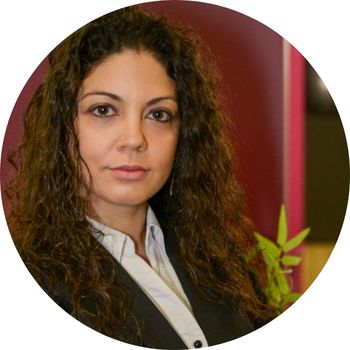
Araceli Venegas-Gomez
Founder and CEO of QURECA Ltd
Dr. Araceli Venegas-Gomez spent several years working for Airbus in Germany and France as an aerospace engineer, before falling in love with quantum mechanics. She then decided to follow her passion for physics, and moved to Scotland to pursue a PhD in quantum simulation at the University of Strathclyde. Following discussions with the different quantum stakeholders she had over the last years, Araceli identified the need to bridge the gap between businesses and academia, as well as to raise the quantum awareness to the general public. Continuing her work on outreach advocating quantum technologies, she was named the “quantum ambassador”, after winning the Optical Society Milton and Rosalind Chang Pivoting fellowship in 2019.
Araceli founded her own company called QURECA (Quantum Resources and Careers) to create a link between the different stakeholders in the quantum community through a common language, and to generate global opportunities with quantum technologies.
QURECA provides a range of professional services, business development, and the solution to the quantum workforce skills bottleneck: the first online platform for quantum training, to support individuals and businesses to be part of the quantum revolution. She has also been listed in the Quantum 100 as part of the International Year of Quantum Science and Technology in 2025.
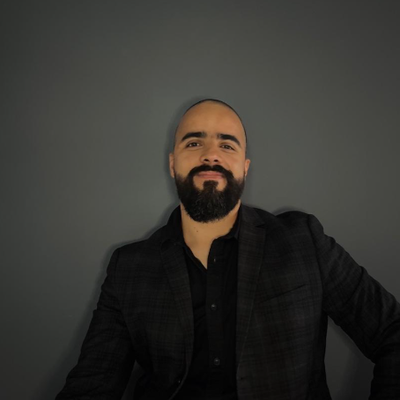
Alejandro Espinal Duque
PhD | Driving Quantum & CS Education | Researcher, Educator & CSEd Advocate
Alejandro Espinal Duque holds a PhD with a research focus on Computer Science Education.
Within his academic role, he has participated as a Visiting Researcher in the Computer & Information Technology Department laboratory at Purdue University in Indiana, USA. He is also an Assistant Researcher at the Global Center for Equitable Computer Science Education, an initiative of the University of Virginia, USA, and Universidad del Norte, Colombia.
He is currently the technical lead for the development of the Computational Thinking curriculum within the Colombia Programa project, an initiative of Colombia’s Ministry of Information and Communications Technologies (MinTIC) and the British Council.
He is also the co-founder of TEC12, a science and technology-based company that integrates emerging technologies across different sectors.
In addition, he has led digital skills training programmes with the Colombian national government, and his professional experience includes working as a Computational Education consultant for research centres and national and international organisations.
Contact us
If you have any further questions or issues, please do not hesitate to get in touch.